

ISLAMABAD – High-stakes peace talks between the United States and Iran ended on Sunday after 21 hours of intense negotiations in Pakistan’s capital, dealing a significant blow to hopes for ending the ongoing Middle East conflict. The failure leaves the region on edge as both superpowers return to their respective corners with accusations of intransigence.
US Vice-President JD Vance led the American delegation that departed Islamabad without securing the anticipated breakthrough, despite what Pakistani officials described as exhaustive discussions aimed at de-escalating tensions. The talks, hosted by Pakistan as a neutral mediator, represented the most direct diplomatic engagement between Washington and Tehran since the current crisis began.
“It is disappointing that the Islamabad talks between the United States and Iran have ended without agreement,” said Australian Foreign Minister Penny Wong, echoing international concern. “The priority now must be to continue the ceasefire and return to negotiations.”
The Iranian foreign ministry spokesperson characterized the atmosphere as one of “mistrust” and suggested it was unrealistic to expect agreement in a single session. Meanwhile, US officials reportedly claimed Iran was unable to locate mines it had allegedly deployed in the Strait of Hormuz, a critical global oil shipping lane where tensions have repeatedly flared.
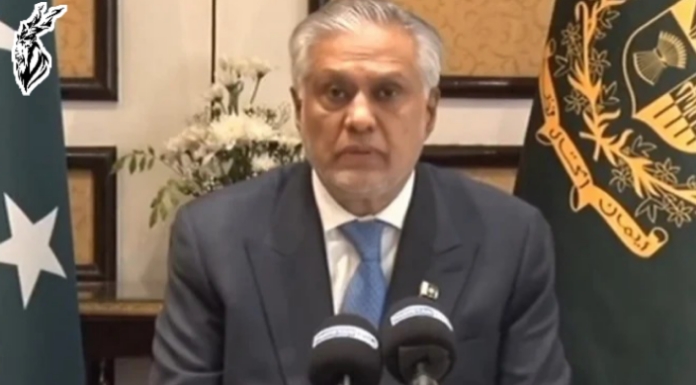
Pakistani Foreign Minister Ishaq Dar emphasized the immediate need to maintain the fragile ceasefire. “It is imperative that the parties continue to uphold their commitment to ceasefire,” Dar stated. “Pakistan has been and will continue to play its role to facilitate engagement and dialogue between the Islamic Republic of Iran and the United States of America in the days to come.”
The breakdown comes amid heightened rhetoric from Washington. While President Donald Trump hasn’t formally commented on the talks’ failure, he shared an article on his Truth Social platform discussing the possibility of a naval blockade against Iran – a move that would dramatically escalate the conflict. The article, published by conservative outlet Just the News, suggested Trump “could out-blockade Iran’s hold over the Strait of Hormuz.”
International observers warn that the diplomatic impasse could trigger renewed hostilities. The BBC’s Middle East coverage has documented how previous breakdowns in US-Iran negotiations have led to military escalations, including drone strikes and naval confrontations. Regional stability now hangs in the balance as both nations reassess their positions.
Adding to the global concern, Pope Leo XIV recently entered the political arena, decrying “the delusion of omnipotence that drives leaders into global conflict” during evening prayers at St. Peter’s. His intervention underscores how the US-Iran standoff has captured worldwide attention far beyond the Middle East.
As Reuters Middle East reporting indicates, the failure in Islamabad represents more than just another diplomatic setback. It marks a critical moment where direct negotiation – the most promising path to de-escalation – has proven insufficient to bridge the deep-seated mistrust between Washington and Tehran. With both sides blaming the other for unreasonable demands, the path forward appears increasingly perilous.
Source: The Guardian