
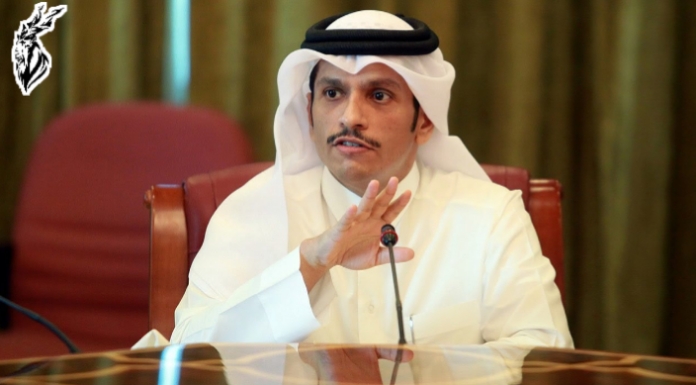

In a significant diplomatic intervention, Qatar’s Foreign Minister Sheikh Mohammed bin Abdulrahman Al Thani has urged both the United States and Iran to remain open to mediation efforts during a high-level phone call with Iranian Deputy Foreign Minister Abbas Araghchi. The conversation, which took place on Monday, underscores Qatar’s persistent role as a regional mediator amid escalating tensions that threaten vital maritime routes and global energy security.
According to an official statement from Qatar’s Ministry of Foreign Affairs, Sheikh Mohammed emphasized the critical importance of all parties responding positively to ongoing mediation initiatives. The call comes at a time of heightened friction in the Persian Gulf, where freedom of navigation has become a contentious issue with broader implications for international trade and stability. Qatar, which hosts a major U.S. military base while maintaining diplomatic channels with Tehran, has positioned itself as a neutral intermediary in one of the world’s most volatile regions.
The Qatari foreign minister specifically warned against using maritime routes as “tools for pressure or bargaining,” stressing the need to guarantee safe passage through strategic waterways like the Strait of Hormuz. This narrow chokepoint handles approximately one-fifth of the world’s oil consumption and has been the site of numerous confrontations between Iranian and Western naval forces in recent years. The statement’s emphasis on maritime security reflects growing concerns about potential disruptions to global energy supplies.
Qatar’s mediation efforts occur against a backdrop of complex regional dynamics. The Gulf nation has previously facilitated talks between Washington and Tehran, including negotiations that led to the 2015 nuclear agreement. With the Iran nuclear deal currently in limbo and diplomatic relations strained, Qatar’s intervention represents a crucial attempt to prevent further escalation. Regional analysts note that Doha’s unique position allows it to maintain dialogue with all sides, even as other Gulf states have taken more confrontational approaches toward Iran.
The timing of the diplomatic outreach is particularly significant following recent attacks on energy infrastructure in the region. While not directly addressed in the statement, the call comes after reports that Iranian attacks had impacted Qatar’s liquefied natural gas capacity, highlighting the economic stakes involved. As one of the world’s largest LNG exporters, Qatar has a vested interest in maintaining stability in Persian Gulf shipping lanes.
International observers will be watching closely to see how both Washington and Tehran respond to Qatar’s latest diplomatic initiative. With the broader Middle East facing multiple crises, from Yemen’s civil war to Syria’s reconstruction, successful mediation between the U.S. and Iran could have ripple effects across the region. The alternative—continued escalation—risks not only regional conflict but potentially global economic consequences given the importance of Gulf energy exports.
As diplomatic channels remain open, Qatar’s consistent message is clear: dialogue and mediation offer the only sustainable path forward. Whether this latest effort will yield tangible results remains uncertain, but it reinforces Doha’s commitment to playing a constructive role in regional diplomacy at a time when such efforts are increasingly rare.
Source: ARY News