
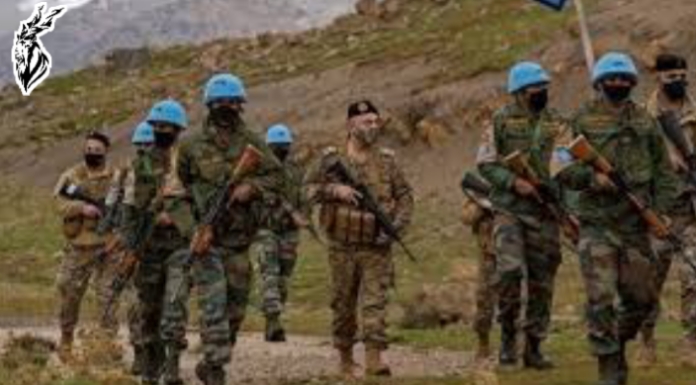

The United Nations Interim Force in Lebanon (UNIFIL) has accused Israeli Defense Forces of deliberately ramming peacekeeping vehicles with a tank in southern Lebanon on Sunday, escalating tensions in a region already embroiled in cross-border hostilities. The incident marks a significant deterioration in the safety of UN personnel operating along the volatile Blue Line separating Lebanon and Israel.
In an official statement, UNIFIL detailed that Israeli soldiers “rammed UNIFIL vehicles with a Merkava tank” on two separate occasions near the Bayada area, causing “significant damage” in one instance. The soldiers reportedly blocked a critical access road used by peacekeepers to reach their positions, part of a pattern of obstruction recorded over recent days. This follows a week of escalating provocations, including warning shots fired at clearly marked UN vehicles—one landing just one meter from a dismounted peacekeeper.
The confrontation occurs against the backdrop of intensified fighting between Israel and Hezbollah, which erupted last month after the Iran-backed militant group launched rockets into Israel, drawing Lebanon deeper into regional conflict. UNIFIL, which has operated as a buffer between the two nations since 1978 under a UN Security Council mandate, has faced increasing risks. Last month, three Indonesian peacekeepers were killed in southern Lebanon; a preliminary UN investigation attributed one death to Israeli tank fire and two others to an improvised explosive device.
Beyond Sunday’s ramming incident, UNIFIL reported additional aggressive acts by Israeli forces this month, including the destruction of force protection cameras at its headquarters in Naqoura and five other positions. On Saturday, soldiers spray-painted the windows of the headquarters’ pedestrian gate, obstructing visibility of the external perimeter. UNIFIL condemned these actions as “inconsistent with the requirement to ensure the safety and security of peacekeepers and their freedom of movement,” emphasizing their mandate to monitor ceasefires and facilitate humanitarian access.
The UN force, comprising troops from over 40 countries, has long played a crucial role in de-escalating tensions in the region, as detailed in its mission overview. However, its current mandate is set to expire at the end of 2026, raising concerns about the future of stability along the border. The recent incidents underscore the precarious environment for international peacekeepers, who operate in a complex geopolitical landscape shaped by decades of conflict between Israel and groups like Hezbollah, with Iran’s regional influence often cited as a key factor.
As hostilities persist, UNIFIL has called for all parties to respect its operational integrity and allow unimpeded movement to fulfill its monitoring duties. The force continues to engage in diplomatic channels to address the violations, stressing that such actions jeopardize not only peacekeeper safety but also broader efforts to prevent a full-scale war. The international community watches closely, with organizations like Reuters providing ongoing coverage of the escalating situation.
Source: ARY News