
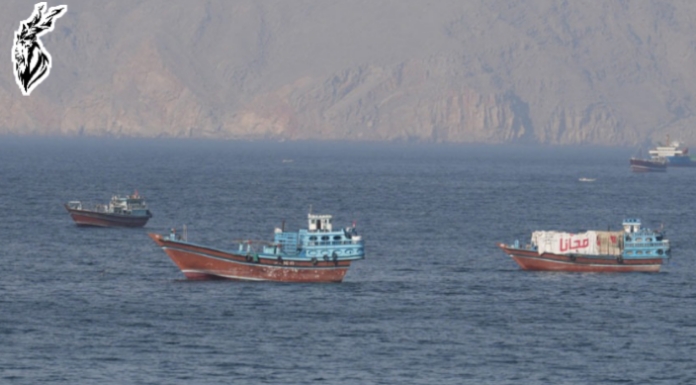

Iran has imposed “strict control” over the Strait of Hormuz, effectively closing one of the world’s most critical energy corridors, as tensions escalate over a continuing US naval blockade.
Iranian military authorities said the waterway had reverted to a state of tight oversight by armed forces and would remain closed to regular traffic until the United States lifts its blockade of Iranian ports.
The move triggered fresh uncertainty in global energy markets, reversing earlier optimism after Tehran had briefly declared the strait open following a ceasefire in Lebanon.
Maritime security officials reported that Indian vessels attempting to pass through the strait were targeted by forces linked to Iran’s Islamic Revolutionary Guard Corps (IRGC). At least two ships came under fire, including a large India-bound tanker carrying Iraqi crude, which was forced to turn back.
In Washington, Donald Trump dismissed Iran’s actions, stating that Tehran “cannot blackmail” the United States, while maintaining that ongoing diplomatic efforts could still yield a breakthrough.
Despite the sharp escalation, backchannel talks aimed at reviving negotiations between Washington and Tehran continue, with Pakistan playing a mediating role. However, Iranian officials have indicated reluctance to resume direct talks, accusing the US of maintaining “maximalist positions.”
The renewed standoff has heightened volatility in oil markets and disrupted global shipping, with analysts warning that even if the strait reopens, normal traffic may take weeks to resume.