
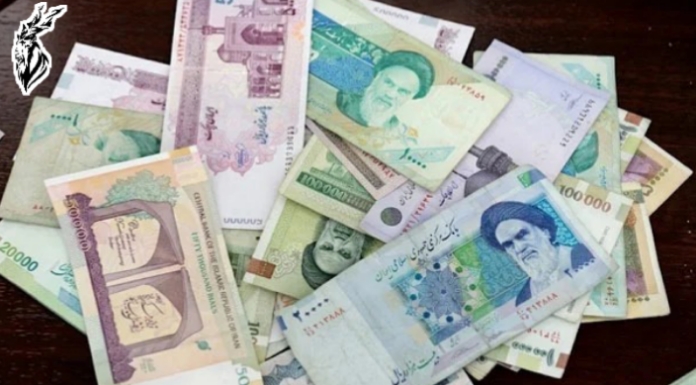

KARACHI, April 20, 2026 – The Iranian rial has experienced a dramatic surge in Pakistan’s informal currency markets, with exchange rates reaching unprecedented levels as of today. A standard bundle of 1 crore Iranian rials is now trading at up to PKR 10,000 in the open market, roughly four times higher than the pre-surge level of approximately PKR 2,500. This sharp increase reflects intense speculative interest and practical trade demands, even as global economic pressures continue to weaken the rial internationally.
The surge, which gained momentum in recent weeks amid evolving regional developments, shows no major reversal this week, though market observers note that rates remain highly volatile and dealer-dependent. Currency experts attribute this premium to two primary factors: speculative investment and cross-border trade activity. Many traders and individuals are betting on further gains, linked to hopes of US-Iran diplomatic progress, potential sanctions easing, or broader geopolitical shifts that could strengthen the rial long-term. In uncertain economic times, the rial is viewed as a short-term profit opportunity.
Simultaneously, real demand stems from informal trade with Iran, including fuel, petroleum products, food items, and goods transported via Balochistan border routes. Recent easing of transit regulations has boosted this activity, with physical rial notes required for settlements. Reports indicate increased smuggling attempts, underscoring the currency’s utility within these informal networks. For context, global currency markets have seen the rial under pressure, but the local premium in Pakistan highlights unique regional dynamics.
Current open-market rates as of April 20, 2026, show significant disparities. In the informal cash market, 1 PKR buys approximately 1,000 Iranian rials, while 1,000 PKR buys about 1,000,000 rials. In contrast, the authentic mid-market rate—an international benchmark—offers 1 PKR for around 4,732 rials, with 1,000 PKR buying approximately 4,732,000 rials. This Pakistan-specific premium, where rials cost significantly more in PKR terms, is driving headlines and market buzz.
Currency experts continue to caution that while the local premium presents opportunities, the rial remains highly volatile globally. Retail buyers face risks such as counterfeits or sudden reversals if geopolitical conditions shift. Analysts advise sticking to licensed dealers and staying updated on rapid market movements. For broader insights into regional economic trends, global economic coverage provides additional context on these fluctuations.
In summary, the Iranian rial’s surge in Pakistan underscores the interplay of speculation and trade in shaping currency markets. As regional developments unfold, stakeholders are urged to exercise caution and rely on verified sources for live quotes.
Source: ARY News