
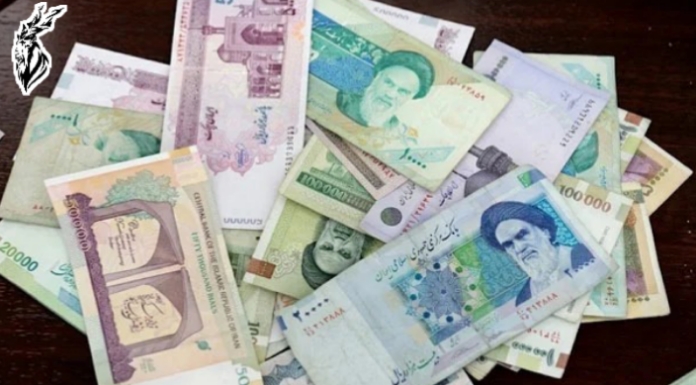

The Iranian rial (IRR) continues to generate significant buzz in Pakistan’s informal open currency market as of Thursday, April 30, 2026, with steady demand as people actively trade it against the Pakistani Rupee (PKR). Currency dealers in Karachi, Quetta, and Lahore report that a standard bundle of 1 crore Iranian rials (10 million IRR) is currently trading in the range of PKR 8,000 to PKR 10,000 in the cash market. This remains three to four times higher than the pre-surge baseline of around PKR 2,500, even as the rial stays weak against major international currencies.
Throughout April 2026, the Iranian rial exhibited a strong performance in Pakistan’s open market. Early in the month, the currency saw a dramatic surge, rising roughly fourfold from pre-conflict levels around PKR 2,500 per crore to the PKR 8,000–10,000 range. The premium has largely held steady with minor fluctuations, supported by consistent speculative interest and cross-border trade activity. While global and official rates showed relative stability or slight weakness, the local cash market premium proved resilient, making April a notably bullish month for rial holders in Pakistan’s informal forex circles.
As of April 30, 2026, rates fluctuate depending on the dealer, location, and transaction size. In the open market (informal cash market), a premium bundle rate means 1 PKR buys approximately 1,000 Iranian rials, 10 PKR buys approximately 10,000 rials, and 1,000 PKR buys approximately 1,000,000 rials (10 lakh rials). One crore IRR costs approximately PKR 8,000–10,000. In contrast, the authentic mid-market rate (international benchmark without local premium) stands at roughly 1 PKR buying 4,725 rials, meaning 1 crore IRR equals approximately PKR 2,110–2,120.
Demand remains driven by two main factors: speculation and cross-border trade. Speculators and investors continue purchasing rials hoping for further appreciation tied to potential US-Iran diplomatic progress, sanctions relief expectations, or other geopolitical shifts. Many view it as a short-term profit opportunity in the current regional climate. Additionally, sustained genuine demand arises from informal trade with Iran, especially for petroleum products, fuel, and food items moving through Balochistan border routes. Recent easing of transit and export rules has supported this activity, where physical rial notes are required for cash-based settlements.
Market experts caution that while the local premium creates trading opportunities, the rial remains highly volatile internationally. Retail buyers should remain cautious of risks such as counterfeit notes and sudden price reversals if trade flows or political developments change. For the latest live quotes, always confirm with registered exchange companies. For more on Iran’s economy, see Wikipedia: Iranian rial. For regional currency trends, Reuters: Currencies and Al Jazeera: Economy offer comprehensive coverage.
Source: ARY News