

Geneva — The Ebola outbreak in the Democratic Republic of the Congo (DRC) remains a major public health concern and continues to evolve, the World Health Organization (WHO) said on Friday, one month after the outbreak was officially declared.
Addressing reporters via video link from WHO’s Africa office, Marie-Roseline Belizaire said the outbreak has so far resulted in 896 confirmed infections and 232 deaths across 33 health zones spanning three provinces of the country.
Despite ongoing response efforts, new cases continue to emerge in multiple locations, highlighting the need for sustained and intensified interventions to contain the virus.
“Cases continue to be reported across several areas, underscoring the importance of maintaining and accelerating response measures,” Belizaire said.
In a positive development, neighboring Uganda has recorded no new Ebola infections for the past 12 days, easing concerns about cross-border transmission and suggesting that containment efforts in the region may be yielding results.
Health officials also reported encouraging signs of recovery, with 78 patients successfully overcoming the disease. WHO emphasized that early diagnosis and access to quality medical care remain critical factors in improving survival rates.
“The recovery of these patients demonstrates that timely treatment can save lives,” Belizaire noted.
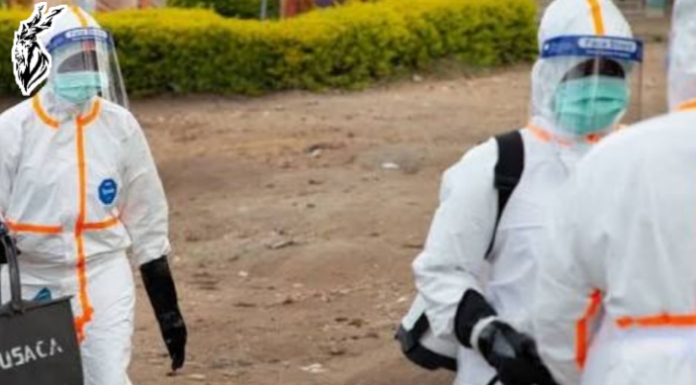
To support the response, WHO has deployed more than 115 specialists to affected regions and delivered over 110 metric tons of emergency supplies, including medical equipment and protective materials.
However, significant challenges persist. WHO officials warned that operational demands continue to increase as the outbreak spreads. Difficult access to some high-risk communities, shortcomings in contact-tracing efforts and ongoing reports of deaths occurring outside healthcare facilities remain major obstacles.
Belizaire also expressed concern that some chains of transmission may be continuing undetected, particularly in areas affected by population displacement, where humanitarian needs often exceed available resources.
While stressing that effective tools to stop Ebola transmission are well known, WHO urged governments, health agencies and international partners to maintain a coordinated and rapid response.
“We know what works to stop Ebola,” Belizaire said. “The challenge is ensuring those measures are implemented quickly and at the scale necessary to bring the outbreak under control.”
Health authorities continue to monitor the situation closely as efforts intensify to contain one of the region’s latest Ebola outbreaks and prevent further spread within the DRC and beyond.