
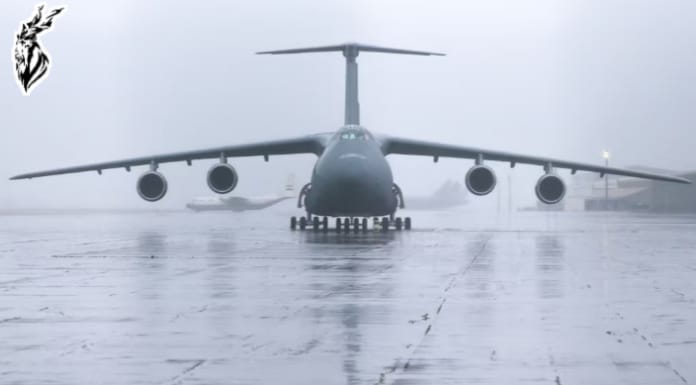

Portugal prosecutors probe US use of Lajes base in Iran war after a complaint from an opposition party, opening a legal examination of whether the centre-right government lawfully authorized American military transits through the Atlantic archipelago during the conflict with Iran.
The Prosecutor General’s Office confirmed on Saturday that it had opened the probe following a complaint filed by members of the Left Bloc party, according to a statement that provided no further details. Portugal’s Foreign Ministry declined to comment on the matter.
At the centre of the dispute is the Lajes Air Base, located in Portugal’s Azores archipelago, a strategic transit hub for US forces under a bilateral defence treaty dating back to 1951. The base hosts the 65th Air Base Wing of the US Air Force, providing support for US, NATO and allied operations.
A longstanding agreement with Washington allows the United States to use the base without prior authorization during peacetime but requires Portugal to give approval once hostilities begin. Unlike neighbouring Spain, Portugal authorized several US transit flights through the Lajes air base, a decision that drew sharp criticism from left-wing opposition parties and triggered a political debate over Lisbon’s role in operations linked to the conflict with Iran.
The Left Bloc asked prosecutors in April to investigate the US use of the base, arguing it amounted to a “gross violation of international law.” Foreign Minister Paulo Rangel has rejected that characterization, saying Portugal was not involved in the conflict and that the use of the Lajes base complied with international law. He said authorization was granted only after assurances from Washington that any operation would be defensive, necessary and proportionate, and limited to military targets.
The prosecutorial review underscores a distinctive feature of Portugal’s legal system. Prosecutors there are bound by the principle of legality, requiring them to investigate alleged wrongdoing when sufficient grounds exist, unlike in some jurisdictions where prosecutors have broader discretion to decide whether a case should proceed.
The political dimension of the case has been evident since the transits first became public. Opposition lawmakers contended that Lisbon’s approval effectively aligned the country with operations tied to the Iran conflict, while the government maintained that the flights were consistent with the defence treaty and with Portugal’s international obligations.
The outcome of the inquiry remains uncertain, and it is not clear whether it will result in any charges or further legal action. For now, the prosecutor’s office has offered no timeline and no indication of how broadly it intends to examine the authorizations granted during the conflict.
The case also places renewed attention on the strategic value of the Lajes facility, which has served as a key waypoint for US and allied forces for more than seven decades. Any legal finding against the government’s handling of the transits could reignite debate in Lisbon over the terms of the bilateral defence treaty and the conditions under which foreign forces may use Portuguese territory.
For Washington, the probe introduces a measure of legal uncertainty over access to a base that has long functioned as a dependable hub for operations stretching from Europe to the Middle East and beyond.
Source: ARY News