
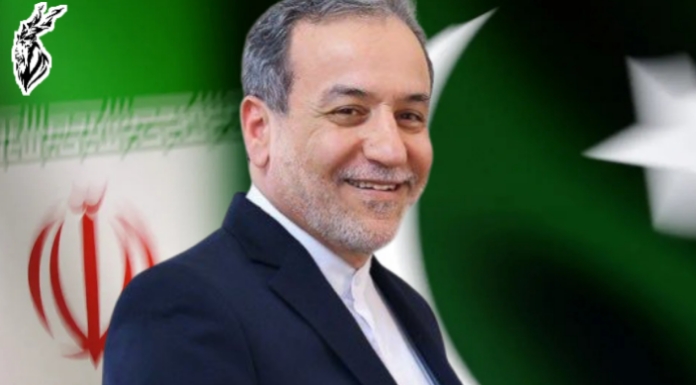

Abbas Araghchi, the foreign minister of Iran, on Saturday expressed gratitude to Pakistan for its diplomatic efforts aimed at easing tensions during the ongoing conflict involving the United States and Israel. He also rejected claims that Tehran had declined to participate in talks hosted by Islamabad.
In a statement shared on X, Araghchi said Iran was “deeply grateful to Pakistan” for attempting to facilitate dialogue and stressed that Tehran had “never refused” to attend negotiations in Islamabad. He added that reports suggesting otherwise in some Western media outlets were inaccurate and misrepresented Iran’s position.
Pakistan Welcomes Clarification
Reacting to Araghchi’s remarks, Ishaq Dar, Pakistan’s deputy prime minister and foreign minister, welcomed the clarification and thanked his Iranian counterpart. Dar said the statement effectively countered what he described as “false propaganda” about Pakistan’s role.
He noted that Pakistan’s diplomatic engagement with regional and global stakeholders reflects its commitment to peaceful conflict resolution and stability in the Middle East. According to Dar, the clarification strengthens Pakistan’s standing as a neutral and credible mediator in the ongoing crisis.
Islamabad’s Role in Mediation
Pakistan has been positioning itself as a neutral facilitator amid rising tensions between Washington and Tehran, offering Islamabad as a venue for dialogue. The initiative is part of broader efforts by Islamabad to reduce regional tensions following recent military actions by the United States and Israel targeting Iranian sites.
Backchannel Diplomacy Continues
Sources familiar with the developments said behind-the-scenes diplomatic efforts are continuing despite earlier attempts to arrange a high-level meeting in Islamabad that ultimately did not materialise.
Pakistan had reportedly prepared to host a round of talks involving a US delegation led by JD Vance and senior Iranian officials. The meeting was seen as a possible opportunity to reduce tensions in the region.
However, despite advanced preparations on more than one occasion, the talks were postponed at the last minute as both sides sought additional time for internal consultations.
Diplomatic sources said efforts to bring the parties together are still ongoing, noting that there remains interest in pursuing a negotiated solution despite the complex regional dynamics.
Regional Diplomacy and Strait of Hormuz Talks
Pakistan has also engaged other regional powers in discussions aimed at stabilising the situation. Islamabad recently hosted talks with officials from Turkiye, Egypt, and Saudi Arabia as part of broader diplomatic efforts to end the conflict.
According to sources, initial discussions included proposals to reopen the strategically vital Strait of Hormuz to international shipping, which has been affected by rising tensions and military activity in the region.
The diplomatic push came as Iran warned Washington against launching a ground offensive and global oil markets reacted to continued hostilities involving Iran, the United States, and Israel.
A day before the regional talks, Dar had also spoken with Araghchi, urging dialogue and diplomacy as the only viable path toward restoring peace and stability in the region.