
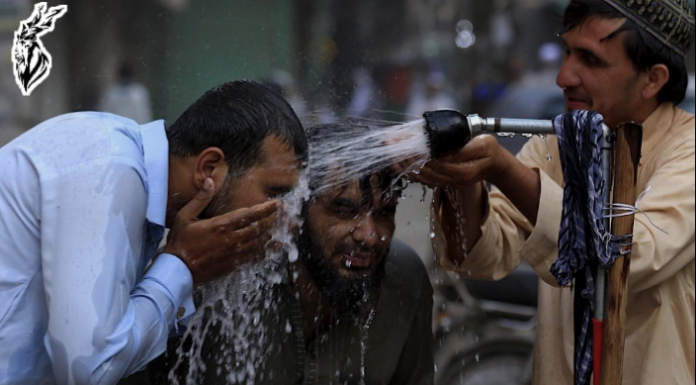

The National Disaster Management Authority (NDMA) has issued a critical alert forecasting a severe heatwave set to grip Sindh and parts of southern Punjab and Balochistan starting April 11, 2026. The authority warns of persistently high temperatures, significantly above seasonal norms, posing serious health and safety risks to millions of residents.
According to the NDMA advisory, daytime temperatures in Sindh are expected to soar 5 to 7 degrees Celsius above routine levels, with nighttime temperatures also remaining elevated by 3 to 5 degrees. This prolonged period of intense heat is classified as a heatwave, a dangerous meteorological event that can lead to heatstroke, dehydration, and strain on infrastructure. For context on heatwave impacts globally, the World Health Organization notes the significant public health challenges they present.
The districts of Dadu, Jacobabad, and Larkana in Sindh are anticipated to bear the brunt of the severe weather, with adjoining areas also facing persistent intense heat. The alert extends to Jamshoro, Kambar Shahdadkot, Ghotki, and Khairpur districts, while Sanghar, Umar Kot, and Kashmore are also likely to experience soaring temperatures. The extreme weather is not confined to Sindh; Balochistan’s Jhal Magsi, Osta Muhammad, and Dera Murad Jamali districts, alongside Bahawalnagar, Bahawalpur, and Rahim Yar Khan in southern Punjab, are also on high alert.
In response to the forecast, the NDMA has issued urgent public safety advisories. Authorities are urging residents in the affected regions to avoid unnecessary outdoor exposure during peak heat hours, typically midday to late afternoon. Increased water intake is strongly recommended to prevent dehydration. The NDMA’s warning aligns with broader global concerns about rising temperatures and extreme weather events linked to climate patterns.
Local disaster management authorities in Sindh, Punjab, and Balochistan are expected to activate heatwave response plans, which may include setting up cooling centers and public awareness campaigns. The NDMA alert serves as a preemptive measure to mitigate potential casualties and infrastructure stress, reminiscent of past heatwaves in the region that have tested emergency services. Historical data from climate reports in South Asia highlight the increasing frequency of such extreme weather episodes.
As the April 11 date approaches, residents are advised to stay informed through official channels and prepare for the impending heatwave by securing adequate water supplies and planning indoor activities. The NDMA continues to monitor the situation closely, with updates to be provided as the weather system evolves.
Source: ARY News