
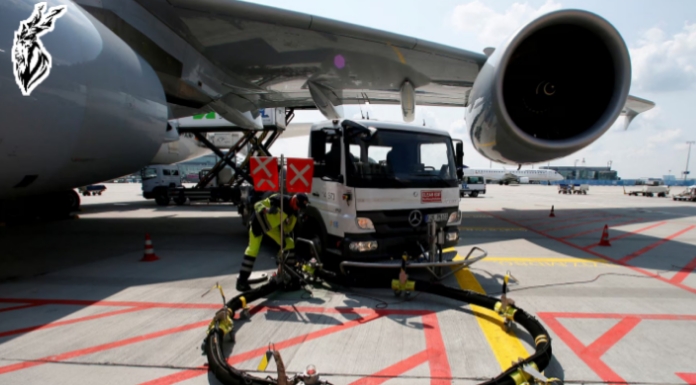

The global aviation industry is confronting its most severe operational crisis in years, as the ongoing conflict in Iran triggers a catastrophic jet fuel shock that threatens to ground fleets and reshape international travel. With the Strait of Hormuz effectively closed, removing roughly one-fifth of global oil and liquefied natural gas from the market, airlines worldwide are scrambling to manage spiraling costs and critical supply shortages. The situation has forced carriers to hike fares, introduce fuel surcharges, and slash routes, with executives warning the worst may still be ahead.
The core of the crisis lies in a dramatic squeeze on jet kerosene. Since U.S.-Israeli strikes began on February 28, jet fuel prices have more than doubled, far outpacing the rise in crude oil. This presents an existential threat, as fuel typically constitutes an airline’s second-largest cost after labor. “Kerosene will remain in short supply and therefore more expensive for the rest of the year,” Lufthansa CEO Carsten Spohr warned in an interview, noting that grounding planes may become unavoidable as availability becomes “critical” at some Asian airports. The conflict has also upended vital air corridors, severely disrupting routes between Asia and Europe that relied on Gulf hubs.
Airlines are responding with drastic measures to preserve cash. Qantas has delayed a planned share buyback, citing volatile fuel prices, while Virgin Atlantic CEO Corneel Koster revealed the carrier has only about six weeks of secure fuel supplies before the outlook turns more uncertain. In South Korea, low-cost carrier Tway Air plans to furlough cabin crew, marking one of the first staffing reductions directly linked to the crisis. Financial exposure is stark: Delta Air Lines expects its fuel bill this quarter to be $2 billion higher than last year, and analysts note several carriers, including SAS, are fully exposed to soaring costs due to a lack of hedging.
The industry is now pleading for government intervention. European airlines have urgently called on the European Commission to implement emergency measures, including EU-level kerosene purchasing, a temporary suspension of the bloc’s carbon market for aviation, and tax relief. Their warnings are underscored by a recent alert from Airports Council International Europe, which stated the continent could face a systemic jet fuel shortage within three weeks. Despite a current two-week ceasefire, analysts remain deeply concerned. “We remain concerned about jet kerosene supply and price increase,” UBS analyst Jarrod Castle noted, pointing out that futures prices remain over 50% higher than last year.
In a bid for survival, airlines are shifting strategy. Qantas is raising fares and reallocating capacity toward stronger, long-haul routes to Europe while trimming domestic operations. Lufthansa reported that record revenues on remaining Asian routes are helping offset costs. The turmoil may also accelerate industry consolidation, with stronger carriers poised to gain market share from weakened rivals. As the aviation world navigates this unprecedented disruption, the path to recovery remains uncertain, hinging on geopolitical stability and the restoration of global fuel supply chains.
Source: ARY News