
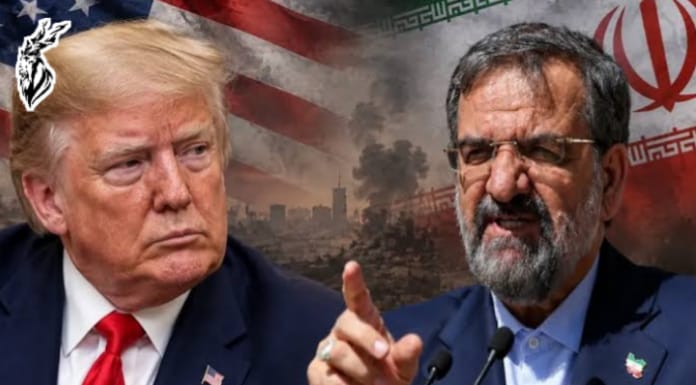

Iran has set conditions for negotiations to end the ongoing Iran war, according to the country’s security chief, who said Tehran’s demands include a halt to hostilities on all fronts and the lifting of the US naval blockade. The announcement came as Saudi forces reportedly foiled an attack in Riyadh, underscoring the regional volatility that continues to shape the conflict.
The security chief’s remarks, reported by Al Jazeera, represent the first formal articulation of Tehran’s terms since the war began. He stated that any meaningful dialogue must be accompanied by an end to what he described as aggression on every front, and by the removal of the US naval blockade that has restricted Iran’s maritime trade and military mobility. No specific timeline or venue for talks was mentioned, and it remains unclear whether the conditions are preconditions for negotiations or merely the agenda Iran intends to pursue.
The blockade has been a central point of contention throughout the Iran war. It has affected Iran’s ability to export oil and import goods, contributing to economic strain. Analysts suggest that lifting it would be a significant concession, but also a necessary step for any lasting de-escalation. The security chief did not elaborate on how the blockade might be lifted or what verifiable measures Iran would accept. Meanwhile, there was no immediate response from the United States or its allies regarding Tehran’s terms.
In a separate development, Saudi forces announced they had thwarted an attack in Riyadh. Few details were released, but state media described the operation as successful and said the threat was neutralized. The timing of the foiled attack, coming just as Iran sets terms for talks, has raised questions about whether hardline factions are seeking to undermine diplomatic efforts. Saudi officials did not explicitly link the attack to Iran, but suspicion is likely to fall on groups aligned with Tehran. This incident highlights the broader security risks that persist even as diplomatic channels appear to be opening.
The prospect of talks remains uncertain. Iran’s demands are broad and may be unacceptable to the US and its partners, who have long insisted that any negotiation must address Iran’s nuclear program and regional activities. The security chief’s statement did not mention those issues, focusing instead on ending the war and lifting the blockade. Some observers interpret this as a sign that Iran is seeking a narrow deal to halt the fighting, rather than a comprehensive agreement. Others warn that the terms are designed to be rejected, providing cover for continued conflict.
As the Iran war enters a critical phase, the next moves by Washington and its allies will be closely watched. The foiled attack in Riyadh serves as a reminder that spoilers exist and that diplomacy is fragile. For now, Tehran’s conditions have set a benchmark, but whether they lead to a ceasefire or further escalation depends on the response they elicit.
Source: Al Jazeera