
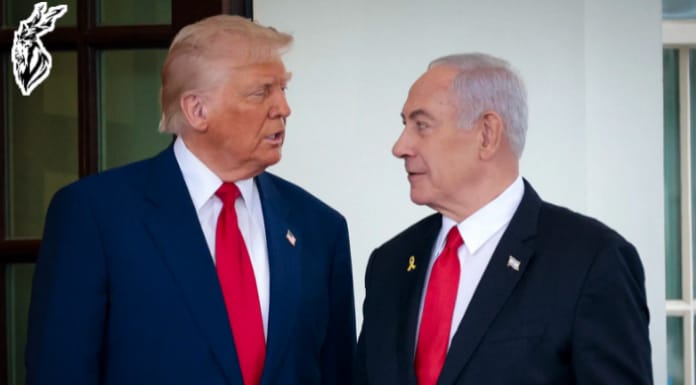

The strategic partnership between the United States and Israel, long described as an “unbreakable alliance,” has entered a transformative phase under the leadership of US President Donald Trump and Israeli Prime Minister Benjamin Netanyahu. What was once primarily a relationship of geopolitical convenience and shared security interests has morphed into a potent ideological crusade, reshaping the political landscape of the Middle East and redefining the very nature of their bilateral ties.
This evolution represents a dramatic departure from the historically pragmatic, and often cool, nature of US-Israel relations. As noted by scholars like Robert O. Freedman, early American presidents offered only tepid support to Zionist aspirations. President Harry S. Truman’s recognition of Israel in 1948 was a landmark, yet subsequent administrations, including those of Dwight D. Eisenhower and John F. Kennedy, maintained a relationship marked by deep suspicion and conditional support, particularly over issues like Israel’s clandestine nuclear program at Dimona.
The pivotal shift came after Israel’s decisive victory in the 1967 Six-Day War, which cemented its status as a critical Cold War asset against Soviet influence in the Arab world. However, the alliance under Trump and Netanyahu has transcended this strategic framework. It is now underpinned by a powerful theological and messianic synergy, driven by the domestic political needs of both leaders. Netanyahu’s religious-nationalist coalition finds a powerful echo in Trump’s reliance on the support of Christian Evangelical voters, for whom unwavering support for Israel is a core tenet of faith.
This sacralisation of foreign policy has moved from the realm of private belief to the center of statecraft, providing a moral and ideological justification for military and diplomatic actions. Critics argue this fusion has turned the alliance from a strategic partnership into a radical political project that exacerbates regional tensions, holding the broader Middle East hostage to a narrow ideological vision. The partnership, while presented as a bulwark of shared democratic values, is increasingly perceived by observers as a primary source of destabilization, providing a perpetual spark for conflict.
The current era marks the culmination of a journey from cautious diplomacy to ideological fusion. The US-Israel relationship, once managed through carrots like arms sales and sticks like inspection ultimatums, is now governed by a shared theological-political crusade, with profound and uncertain implications for global peace and regional stability.