
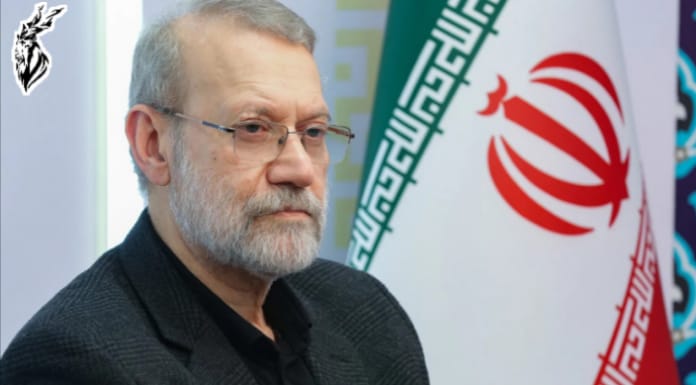

TEHRAN: Iran on Wednesday pledged a “decisive” retaliation following the killing of its top security official Ali Larijani, launching a barrage of missiles toward Israel in response to what it described as an assassination by Israeli forces.
According to Israeli officials, Larijani was killed in an airstrike, triggering a sharp escalation in hostilities. Iranian missile attacks reportedly struck areas near Tel Aviv, killing two people, while several Gulf countries intercepted drones and rockets targeting locations including US military bases.
Iranian authorities announced that funerals for Larijani and Gholamreza Soleimani, head of the Basij paramilitary force, would be held the same day. Both figures were among the most senior officials killed since the conflict intensified following joint US-Israeli strikes on Iran in late February.
Iran’s army chief, Amir Hatami, warned that Tehran’s response would be “decisive and regrettable,” signalling further escalation. The Islamic Revolutionary Guard Corps also said continued attacks would follow, describing Larijani’s death as a rallying point for national resistance.
Beyond military retaliation, Iran has taken steps affecting global energy markets, including effectively halting traffic through the Strait of Hormuz, a key النفط transit route. The disruption has pushed oil prices close to $100 per barrel, raising concerns over wider economic fallout.
Iran’s Foreign Minister Abbas Araghchi warned that the global impact of the conflict was only beginning. Meanwhile, the United States said it had carried out strikes on Iranian missile sites near the coast to secure maritime routes, deploying heavy ordnance against fortified positions.
US President Donald Trump criticised allies for not supporting naval escort operations in the region, while insisting Washington could act independently if necessary.
Tensions have also drawn reactions from regional actors. Türkiye’s Foreign Minister Hakan Fidan condemned Israel’s targeted killings as unlawful, while Israel signalled it could pursue further high-level targets, including Iran’s new leadership.
Israeli Prime Minister Benjamin Netanyahu reiterated calls for political change in Iran, suggesting sustained pressure could eventually empower internal opposition.
The conflict has also spread beyond Iran and Israel, with heavy Israeli strikes reported in Beirut and other parts of Lebanon. Authorities say hundreds have been killed and over a million displaced since early March, with many forced into overcrowded shelters or living in vehicles.
As the situation intensifies across multiple fronts, fears are growing of a prolonged regional war with far-reaching humanitarian and economic consequences.