

As the US-Israel military campaign against Iran enters its fourth week, an unexpected geopolitical shift is unfolding in global energy markets. Russian oil exports are experiencing an unprecedented surge, emerging as the conflict’s primary economic beneficiary while the world grapples with a mounting energy crisis.
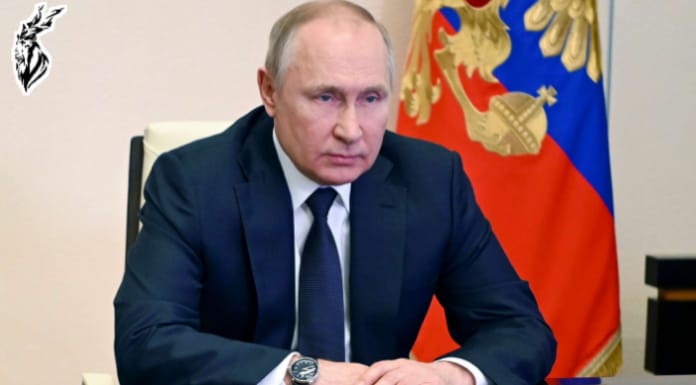
The catalyst for this dramatic realignment came on March 10, when United States President Donald Trump announced a temporary easing of sanctions on Russian oil shipments following a phone call with Russian President Vladimir Putin. This decision came in direct response to Iran’s effective closure of the Strait of Hormuz, which in peacetime facilitates approximately 20% of global oil and gas shipments from Gulf producers.
According to figures from the Centre for Research on Energy and Clean Air (CREA), Russia earned an additional 672 million euros ($777 million) in oil sales during just the first two weeks of the conflict. The war began on February 28 when US and Israeli strikes targeted Tehran, killing Ayatollah Ali Khamenei and other senior Iranian officials, prompting massive retaliatory missile and drone attacks from Iran.
“Russia has emerged as a primary beneficiary of the Middle East conflict due to the massive supply vacuum created by the closure of the Strait of Hormuz,” explained George Voloshin, an independent energy analyst based in Paris. “Global refiners are desperate for alternative medium-sour crudes, a need that Russia’s Urals grade specifically meets.”
The economic impact has been immediate and substantial. The average price of Urals oil, Russia’s benchmark crude, has surged from below $60 per barrel before the conflict to approximately $90 this week. Meanwhile, Brent crude, the international benchmark, has climbed above $100 per barrel since the strait’s closure, compared to about $65 before hostilities began. Many analysts now suggest $200 per barrel is no longer far-fetched.
This week brought further escalation as Israel bombed Iran’s critical South Pars gasfield, with Iran responding with strikes on Gulf energy assets, including Qatar’s Ras Laffan Liquefied Natural Gas facility—the world’s largest. These developments have intensified global energy security concerns and accelerated the search for alternative supplies.
The US sanctions reprieve has provided Moscow with what Voloshin describes as “a critical window to maximize export volumes and oil revenues, essentially allowing Russian crude to act as the world’s primary swing supply during the Iranian blockade.” This strategic advantage comes as tankers originally bound for China with Russian oil have reportedly changed course toward India, reflecting shifting global trade patterns.
While the temporary sanctions relief aims to mitigate the global energy crisis, it represents a significant geopolitical concession that strengthens Russia’s economic position amid ongoing tensions. As the conflict continues to disrupt traditional energy corridors, Russian oil appears positioned to capitalize on the instability, reshaping global energy dynamics in ways that will likely endure beyond the immediate military confrontation.