
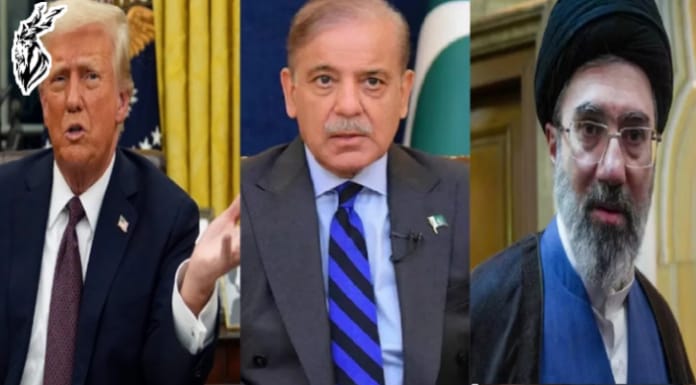

Pakistan has emerged as the principal diplomatic intermediary in the escalating conflict between the United States and Iran, according to exclusive reporting from the Financial Times. The country’s strategic positioning and balanced foreign policy have enabled it to facilitate crucial back-channel communications between Washington and Tehran, potentially averting further military escalation in the volatile Middle East region.
Chief of Defence Forces Field Marshal Asim Munir engaged in direct communication with U.S. President Donald Trump on Sunday, while senior Pakistani officials have been relaying messages between Tehran and key American figures including Steve Witkoff and Jared Kushner. This diplomatic intervention comes as President Trump announced a five-day postponement of planned strikes on Iranian power plants, a decision analysts attribute directly to Pakistan’s mediation efforts.
The breakthrough follows weeks of escalating hostilities that began on February 28 when the U.S. and Israel launched military operations against Iran. The conflict has resulted in more than 2,000 casualties and created significant economic disruptions, including spiking global fuel prices and heightened inflation concerns worldwide.
Prime Minister Shehbaz Sharif has maintained continuous strategic contact with regional and global leaders, including a recent phone conversation with Iranian President Masoud Pezeshkian. During their discussion, the Pakistani premier emphasized the necessity of dialogue and diplomacy while expressing solidarity with the Iranian people amid ongoing hostilities.
Pakistan’s mediation strategy involves close coordination with regional partners Turkey and Egypt, creating a multilateral diplomatic front aimed at de-escalation. This approach reflects Islamabad’s longstanding policy of maintaining positive relations with all key stakeholders in the Middle East, a position that has earned international recognition for reducing regional volatility.
President Trump’s public statements suggest the diplomatic efforts are yielding results. On his Truth Social platform, the American leader described recent discussions with Iran as “VERY GOOD AND PRODUCTIVE,” expressing optimism about achieving a “COMPLETE AND TOTAL RESOLUTION OF HOSTILITIES IN THE MIDDLE EAST.”
Analysts note that Pakistan’s emergence as a primary mediator represents a significant evolution in its foreign policy approach. The country’s historical relationships with both Western powers and Middle Eastern nations have positioned it uniquely to bridge diplomatic divides that have stymied traditional mediation attempts.
International observers are closely monitoring developments, with outlets including Axios and Arab News reporting measurable progress toward a peaceful resolution. The diplomatic breakthrough comes as the conflict enters its fourth week, having already caused substantial humanitarian and economic consequences across the region.
As mediation efforts continue, Pakistan’s role demonstrates how regional powers are increasingly prioritizing negotiation over confrontation in addressing complex geopolitical crises. The country’s diplomatic corps, working in tandem with military leadership, has established communication channels that bypass traditional diplomatic roadblocks, creating space for substantive dialogue between historically adversarial nations.
The international community watches with cautious optimism as these back-channel communications progress, recognizing that successful mediation could establish new paradigms for conflict resolution in one of the world’s most volatile regions. Pakistan’s balanced approach offers a potential model for future diplomatic interventions in similarly complex geopolitical standoffs.
Source: Geo News