Home Blog

The Strait That Broke the World Order: Hormuz, the US-Iran War/Opinion By Amina Taj Abbasi


On February 28, 2026, the US and Israel began Operation Epic Fury, carrying out almost 900 strikes in 12 hours on Iran’s nuclear, missile, and leadership sites. Iran’s Supreme Leader Ali Khamenei was killed. A few days later, Iran closed the Strait of Hormuz, reducing commercial traffic by over 90%. Brent crude prices jumped above $120 per barrel. Tankers waited as operators evaluated the risks. The International Energy Agency described it as “the largest supply disruption in the history of the global oil market.” A military decision in Washington and Tel Aviv quickly turned into an economic crisis that reached Tokyo, Berlin, Mumbai, and Karachi.

This story goes beyond the immediate conflict and shows the deeper weaknesses in the international political economy. Relying on interdependence rather than self-sufficiency now carries serious risks.

The liberal view in international political economy suggests that trade creates dependency, which should prevent conflict. Robert Keohane and Joseph Nye called this idea “complex interdependence,” meaning that when economies are closely connected, disruption becomes too costly. The Strait of Hormuz has always challenged this theory. About 20 million barrels of oil move through it each day, which is one-fifth of global consumption and over a quarter of all seaborne trade. JPMorgan Chase warned that a full blockade lasting more than 25 days could force major producers to stop output, with nowhere for the oil to go. The 2026 war proved this warning true. Liberal interdependence did not stop conflict; it only made the consequences global.

The realist IPE perspective has also been proven correct. Hegemonic Stability Theory, developed by Charles Kindleberger and Robert Gilpin, holds that open economic systems require a dominant power to function. For years, the US Fifth Fleet kept the Strait of Hormuz open for global trade. However, after the US became a net energy exporter due to the shale revolution, it had less reason to pay these costs. At the same time, China, the largest Gulf oil importer, increased its involvement in the region but did not assume security responsibilities. When war broke out, China and Pakistan, not the US, arranged the April 7 ceasefire. The dominant power started the war, but did not end it. International political economy (IPE). The ceasefire and unsuccessful Islamabad negotiations have revealed a multipolar diplomatic environment that traditional theories struggle to explain. Beijing’s 2023 Saudi-Iran rapprochement anticipated this development, and the 2026 conflict accelerated the transition. The world is experiencing a ‘power transition’ from a US-led unipolar order to a multipolar and uncertain landscape. The petrodollar system is under increasing pressure, as evidenced by Saudi Arabia trading oil in yuan and by BRICS nations advocating for alternative reserve currencies. While these changes do not immediately end dollar dominance, the trajectory is evident. The recent conflict has highlighted both the extent of US military power and its diplomatic limitations, thereby accelerating this shift.

The economic impact of the conflict is a clear example of what IPE scholars call “systemic risk,” where problems in one part of a connected system spread unpredictably. Iran’s counter-attacks hit US military bases in the Gulf, damaged civilian infrastructure in Arab countries, and struck Dubai International Airport, one of the world’s busiest. Both the Strait of Hormuz and the Red Sea were disrupted simultaneously, forcing shipping lines to find new routes. The risk of stagflation, not seen since the 1970s oil crisis, became real again. Vietnam faced fuel shortages and panic buying. Asian economies that rely on Gulf LNG rushed to find other sources. The car industry changed its global production plans. Barclays estimated that every $10-per-barrel increase in oil prices would cut global economic growth by 10 to 20 basis points. If the disruption lasts a month, the impact could be severe.

The war has also made clear what IPE theorists call the “security-economy nexus.” For years, Gulf Arab states pursued economic modernisation, such as Saudi Arabia’s Vision 2030 and Dubai’s rise as a financial centre, based on the belief that the US would provide security. Iran’s strikes on these states broke that belief. The Gulf Cooperation Council’s economic model, which depends on open trade, foreign investment, and tourism, has taken what experts call a systemic shock. The luxury hotels hit by Iranian drones were not military targets; they were symbols of globalization being intentionally destroyed as part of the conflict.
What makes this moment different in international political economy is that traditional tools have failed. Decades of sanctions made Iran poorer but did not change its actions. Military deterrence by the Fifth Fleet did not prevent conflict; it enabled it. Diplomacy had made progress as recently as February 2026, but the Trump administration ended talks, saying it was “not thrilled,” and chose military action instead. The ceasefire that followed is weak. US strikes on Iranian missile sites in late May 2026 led to Iranian threats, and talks are still stuck on nuclear and sanction issues.

It is clear that the 2026 US-Iran war shows a failure of global governance. The Strait of Hormuz, which is key to global energy flows, lacks a multilateral framework. There is no treaty, institution, or shared system to keep it open. This was once seen as mainly America’s job, but the conflict showed that this approach cannot last. When the United States itself causes instability, the whole system is at risk of falling apart.
The solutions are complex and will take time, but they are clear. The international community should establish a robust multilateral framework to manage the Strait of Hormuz, treating it as a global public good. All countries that benefit should share security responsibilities. Speeding up the shift to renewable energy is crucial, not just for climate reasons but also for global security. Every new renewable project and every step away from oil reduces the Strait’s strategic importance. There also needs to be an honest review of sanctions as the primary tool in foreign policy. Sanctions alone, without real diplomacy, do not bring security or justice.

Ships are now moving slowly through the Strait again, facing uncertainty under a weak ceasefire and ongoing threats. The war did not solve the main problems in international political economy, such as declining dominance, the shift to a multipolar world, weak governance, and energy dependence. Instead, it made these problems worse, leaving the world less stable than before the first missile hit Tehran.
The Strait of Hormuz has always mirrored the world. Today, the Strait of Hormuz reflects the state of the world. Today, it shows disorder. Whether the countries involved can fix this is the key question of the decade.

About the author: Amina Taj Abbasi is an undergraduate student of International Relations at the National Defence University, Islamabad. Her area of interest is Middle Eastern politics.
U.S. Tariffs on Chinese Goods: Comparative Analysis from Realist and Liberal Perspectives/Opinion By Nimra Iqbal

The United States imposed tariffs on Chinese goods during President Donald Trump’s administration, marking a significant development in International Political Economy. Starting in 2018, the U.S. levied tariffs on hundreds of billions of dollars of Chinese imports, citing unfair trade practices, intellectual property theft, and a growing trade deficit. China responded by imposing tariffs on American products, starting the U.S.-China trade war. This trade dispute prompted debate in International Political Economy about the relationship between economics and politics. Some scholars viewed the tariffs as a means for the U.S. to maintain power, while others argued they undermined economic interdependence and the benefits of free trade. This article analyzes U.S. tariffs on Chinese goods through both Realist and Liberal perspectives. This article contends that while both Realism and Liberalism offer explanations for U.S. tariff policy toward China, the Realist perspective is more persuasive. The tariffs were primarily motivated by concerns over national power, strategic competition, and economic security rather than international economic cooperation.

For many years, China and the United States maintained close economic ties and mutual trade reliance. However, increasing U.S. concerns about China’s rapid economic growth, industrial policies, technological advancements, and trade surplus heightened tensions. In 2018, the U.S. imposed tariffs on Chinese imports under Section 301 of the Trade Act, citing unfair trade practices and intellectual property violations. China responded by imposing tariffs on American exports, including agricultural products, automobiles, and industrial goods. This dispute disrupted global supply chains, increased costs for businesses and consumers, and created uncertainty in the international trading system. The trade war evolved beyond an economic dispute, exposing broader geopolitical competition. Realists view international politics as a power struggle among states in an anarchic system. States prioritise survival, security, and self-interest over economic cooperation. Realists argue economic policies often serve strategic objectives. From a Realist perspective, U.S. tariffs on Chinese goods aimed to constrain China’s growing power, not just address economic concerns. As China’s economy expanded, it increased military spending, advanced technology, and extended its global influence. U.S. policymakers saw China’s rise as a potential threat to American dominance.
Realists emphasize relative gains, noting that states are concerned not only with their own economic benefits but also with their rivals’ gains. Even if both countries benefit from free trade, the U.S. may perceive China’s greater gains as a threat. Tariffs, therefore, serve to slow China’s economic growth and protect U.S. strategic interests. Realists also argue that dependence on foreign supply chains increases vulnerability. The U.S. became increasingly concerned about its reliance on foreign manufacturing in technology, information, and critical infrastructure sectors. Tariffs were part of a broader strategy to enhance economic security and reduce strategic dependence. Realism effectively explains why the United States accepted significant economic costs to achieve broader strategic objectives, highlighting the link between economic policy and geopolitical competition. Realism explains why security concerns may outweigh economic efficiency. Despite the benefits of free trade, U.S. policymakers prioritized technological leadership, industrial strength, and national security. However, Realism often underestimates the significance of economic interdependence and domestic interests. Not all tariff decisions are driven solely by power politics; domestic political pressures, interest groups, and economic factors also shaped U.S. trade policy. Realism may also overemphasize conflict and overlook opportunities for states to cooperate for mutual benefit.

Liberalism offers a different perspective on international economic relations. Liberals argue that trade provides mutual benefits, promotes peace, and encourages cooperation among states. Economic interdependence reduces the likelihood of conflict, as countries depend on each other for prosperity. From a Liberal perspective, the U.S.-China trade relationship exemplifies mutually beneficial exchange. Both countries gained: American consumers enjoyed lower prices, while Chinese industries gained access to international markets. Liberals argue that tariffs eliminated these benefits by increasing costs for businesses and consumers. Instead of resolving economic issues, tariffs reduced efficiency and hindered global growth. Many economists noted that American companies and consumers bore much of the cost through higher prices. Liberalism also stresses the importance of international institutions like the World Trade Organization (WTO). Liberals contend trade disputes should be resolved through established rules and legal mechanisms, not unilateral tariffs. The U.S. decision to impose tariffs outside standard WTO dispute-settlement procedures raised concerns about undermining rules-based international trade. The liberal approach clearly outlines the economic costs of the trade war and shows the benefits of cooperation. It highlights the significance of interdependence, global supply chains, and international institutions.

Liberalism also explains why businesses, multinational corporations, and many economists opposed the tariffs. They benefited from open markets and viewed protectionist policies as detrimental to the economy. Despite its strengths, Liberalism struggles to explain why states sometimes forgo economic benefits for strategic objectives. If economic interdependence always led to cooperation, the trade war likely would not have occurred. The theory assumes economic cooperation naturally fosters stability, yet the U.S.-China case shows that significant interdependence can coexist with strategic rivalry. Each theory explains important aspects of U.S. tariff policy. Liberalism describes the economic effects of tariffs and their disruption of global trade while highlighting the value of cooperation and the costs of protectionism. However, Realism provides a stronger explanation for the policy’s rationale. The primary motivation for the American tariffs was not economic efficiency, but the challenge posed by China’s rise. Concerns over technology competition, industrial leadership, supply-chain security, and geopolitical influence were central to the decision.

The trade war formed part of a broader strategic competition, where economic measures were used to achieve political and security objectives.

In this context, Realism better explains why policymakers accepted short-term economic losses to pursue long-term strategic goals. The U.S. tariffs on Chinese goods are an important example in International Political Economy. Liberalism highlights the benefits of free trade, economic interdependence, and international institutions, while Realism focuses on power, security, and strategic competition. Both theories offer useful insights, but Realism provides a stronger explanation for the tariffs because the policy was primarily driven by concerns about China’s growing economic and geopolitical influence. This case demonstrates that international economic relations involve more than markets and cooperation. Economic policies are frequently linked to national power and security. As the U.S. and China continue to compete globally, the connection between economic interests and strategic rivalry will remain central to International Political Economy.

About the author: The author is an undergraduate student of International Relations at the National Defence University, Islamabad, Pakistan. Her area of interest is political economy and theories of IR

Silver Rate in Pakistan Stable at Rs 7,102 per Tola on June 11, 2026

0

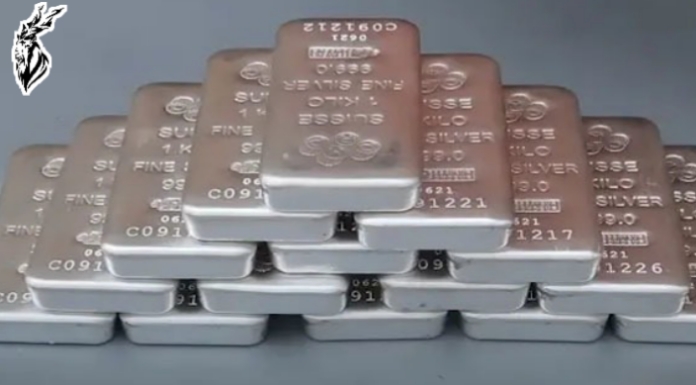
Silver prices in Pakistan remained unchanged on Thursday, June 11, 2026, with the rate for one tola of fine silver steady at Rs 7,102 in the domestic market, according to the Karachi Sarafa Association. The precious metal continues to attract investors seeking low-cost alternatives to gold, while industrial demand from green technology sectors provides underlying support.

Current silver rates in Pakistan are as follows: one gram of fine silver is priced at Rs 608.70, ten grams at Rs 6,087, and one tola at Rs 7,102. These rates reflect the standard Sarafa market quotes and are subject to slight variations across different cities. The local gold price for 24 karat stands at Rs 430,000 per tola, indicating that silver remains significantly cheaper, trading at roughly 1.6% of gold’s value.

Market analysts note that silver often follows gold’s trajectory, and the current stability in gold prices has provided a base for silver. Traders and jewelry makers in Pakistan view silver as a hedge against inflation, especially in the Sarafa market where demand remains steady. The metal’s dual nature as both an investment and an industrial commodity continues to drive its relevance.

Globally, silver prices are influenced by several factors, including import costs and currency fluctuations. The metal’s consumption in solar panels, electric vehicles, electronics, and other renewable energy technologies is expected to sustain demand in the long term. According to Reuters, industrial demand for silver has been rising steadily, providing a floor for prices despite occasional volatility. Additionally, the BBC notes that silver has historically experienced boom-and-bust cycles, making it a less predictable asset compared to gold.

Many investors are closely watching silver prices ahead of the federal budget for fiscal year 2026-27, alongside gold prices. The budget may introduce changes in import duties or taxes that could affect precious metal prices. For those buying silver for investment, jewelry, or business purposes, daily monitoring is recommended.

Source: ARY News

Currency Rates in Pakistan on June 9th: US Dollar marginally lower; Kuwaiti Dinar stays at the top

0

The State Bank of Pakistan’s official foreign currency rates for June 9, 2026, show the US Dollar edging slightly lower against the Pakistani Rupee, while the Kuwaiti Dinar remains the strongest currency in the interbank market.

US Dollar (USD) Inches Down
The US Dollar was quoted at Rs. 278.3731 for ready transactions, a marginal decline from Rs. 278.4728 on June 1. In forward markets, the dollar shows a gradual ascent, reaching Rs. 280.1291 at one month and Rs. 291.3807 at one year, suggesting anticipated but modest rupee depreciation. The USD/PKR pair remains a central benchmark for trade finance and remittances under Pakistan’s IMF arrangement.

UK Pound (GBP) and Euro (EUR) Decline
The British Pound fell to Rs. 371.1013, down from Rs. 375.0333 on June 1, reflecting global Sterling weakness. The Euro dropped sharply to Rs. 321.1451 from Rs. 324.6576, driven by profit-taking and shifting ECB expectations. Forward rates for both currencies indicate a gradual recovery over the next year.

Gulf Currencies Remain Strong
The Kuwaiti Dinar held firm at Rs. 906.0150, the highest among all currencies. The Saudi Riyal was recorded at Rs. 74.1498, while the Omani Riyal and Bahraini Dinar are expected near Rs. 722-726 and Rs. 738-742 respectively, based on their US Dollar peg. These rates directly impact remittance values for millions of Pakistani expatriates in the Gulf region.

Other Major Currencies
The Canadian Dollar slipped to Rs. 199.6723 amid softer crude oil prices, while the Japanese Yen traded at Rs. 1.7375 per unit. The Swiss Franc stood at Rs. 349.1886, the Australian Dollar at Rs. 196.1974, and the Singapore Dollar at Rs. 216.2961. For more details, refer to the SBP’s official rate sheet.

The slight depreciation in the US Dollar and other major currencies offers some relief for importers and travelers, but the stability of Gulf currencies underscores their importance for Pakistan’s remittance inflows. Analysts suggest that forward rates indicate a managed depreciation path, consistent with the central bank’s policy under the IMF program.

Source: ARY News

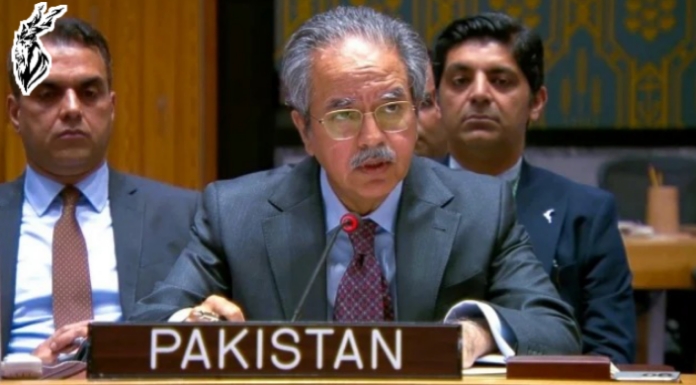
Pakistan Warns of Indian ‘Destabilisation Efforts’, Pledges Strong Response at UN

Pakistan’s Permanent Representative to the United Nations, Asim Iftikhar Ahmad, told the UN Security Council that Pakistan remains vigilant against what he described as India’s efforts to undermine the country’s security and stability.

Speaking during a Right of Reply session at the Security Council, Ambassador Asim said Pakistan would not allow any attempt to support militant groups or threaten its national interests. He asserted that Islamabad had successfully countered such challenges in the past and would continue to do so whenever necessary.

“Pakistan is fully aware of India’s motives and designs,” he said, adding that the country would take all necessary steps to safeguard its security against any external threats.

The ambassador accused India of pursuing policies aimed at destabilising Pakistan through militant organisations operating from Afghan territory. He maintained that Pakistan had consistently worked to counter such activities and remained committed to protecting its sovereignty.

Highlighting Pakistan’s engagement with Afghanistan, Ambassador Asim said Islamabad had supported the Afghan people through humanitarian assistance, diplomatic engagement, trade facilitation and transit concessions. He noted that Pakistan had hoped the Taliban administration would evolve into a responsible governing authority capable of leading Afghanistan toward stability and economic development.

However, he expressed concern that terrorism continues to pose a significant challenge in Afghanistan. According to the envoy, several militant groups—including the Tehreek-e-Taliban Pakistan, Balochistan Liberation Army, Majeed Brigade, Islamic State Khorasan Province and East Turkestan Islamic Movement—continue to operate from Afghan soil.

He said Pakistan had expected the Taliban authorities to take decisive action against these groups but had been disappointed by what he described as a failure to address the security concerns raised by Pakistan and other countries in the region.

During his remarks, Ambassador Asim stressed that terrorism originating from Afghanistan continues to have serious consequences for Pakistan. He noted that hundreds of Pakistani civilians and security personnel, including women and children, have lost their lives in attacks linked to militant groups based across the border.

The envoy further stated that more than 1,200 Pakistanis were killed in terrorist incidents last year, underscoring the scale of the security challenge facing the country. He reiterated Pakistan’s commitment to taking all necessary measures to protect its citizens and defend its national security.

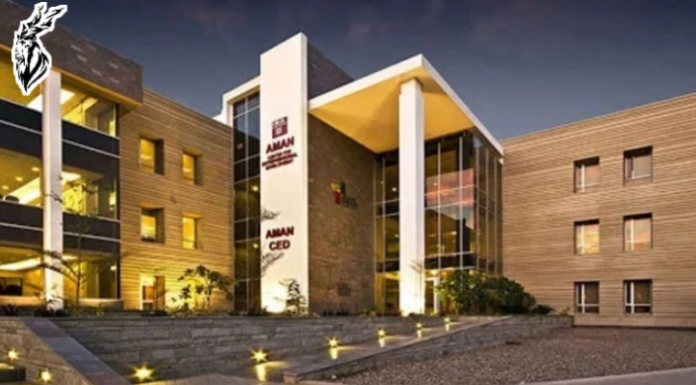
IBA Karachi’s School of Business Studies Secures NBEAC’s Highest ‘W Category’ Accreditation

The Institute of Business Administration (IBA) Karachi has achieved a landmark milestone as its School of Business Studies (SBS) secured the National Business Education Accreditation Council’s (NBEAC) highest W Category Accreditation for a five-year term. This recognition places IBA-SBS among the elite business schools in Pakistan that meet the council’s most rigorous standards.

The W Category Accreditation is awarded to institutions scoring 80% or above on NBEAC’s evaluation criteria, which encompass academic quality, institutional excellence, governance, faculty strength, curriculum relevance, research output, and commitment to continuous improvement. This achievement underscores IBA-SBS’s dedication to delivering world-class business education aligned with both national and international benchmarks.

Dr. S. Akbar Zaidi, Executive Director of IBA Karachi, hailed the accreditation as a testament to the collective efforts of faculty, students, leadership, and stakeholders. “This recognition reflects our unwavering commitment to excellence and reinforces IBA-SBS’s position as a leading business school in Pakistan,” he said. The accreditation also builds on IBA-SBS’s existing distinction as an AACSB-accredited institution, a global hallmark of quality in business education.

For context, NBEAC is Pakistan’s premier accreditation body for business education, established by the Higher Education Commission (HEC) to ensure quality and relevance in business programs. The W Category is its highest accreditation tier, signifying exceptional performance across all evaluation domains. More details on NBEAC’s standards can be found on the NBEAC official website. The significance of business school accreditation is also discussed by AACSB International, which sets global standards for business education.

IBA Karachi, established in 1955, is Pakistan’s oldest and most prestigious business school. With a network of over 22,000 alumni driving innovation across the globe, IBA continues to shape future leaders through rigorous academic programs and a commitment to inclusivity, diversity, and sustainability. The institute also emphasizes environmental stewardship, operating an eco-conscious campus with green initiatives to reduce its carbon footprint.

This five-year W Category Accreditation marks another milestone in IBA’s journey of leadership, excellence, and impact, further solidifying its reputation as a hub of academic and professional excellence. The recognition is expected to enhance the value of degrees for students and alumni, opening doors to global opportunities.

Source: ARY News

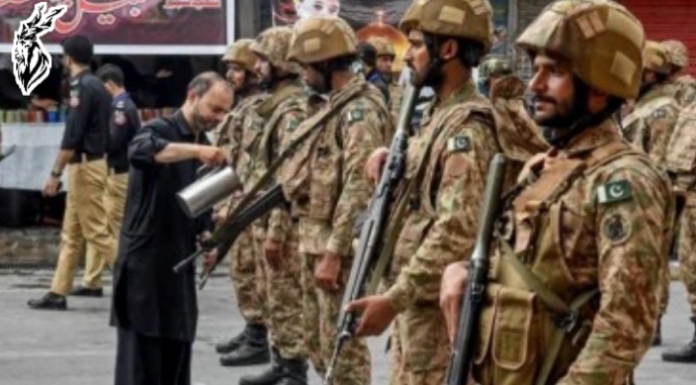
Punjab seeks military, rangers deployment for Muharram security

0

In a significant move to ensure security during the upcoming month of Muharram, the Punjab government has formally requested the deployment of army troops and Rangers personnel across the province. The Home Department issued a letter to the Interior Ministry, seeking the deployment of these forces under Article 245 of the Constitution, which governs the deployment of armed forces in aid of civil power.

A provincial spokesman confirmed that the law enforcement agencies will be tasked with maintaining law and order during the month of Muharram ul Haram, a period marked by processions and gatherings that require heightened security. The government has requested a total of 137 companies of the Army and Rangers, comprising 61 companies of army troops and 76 companies of Rangers, to be deployed in 39 districts of Punjab. The contingents will be stationed from the 1st to the 11th of Muharram, aligned with the peak of religious observances.

The decision follows a request from the Punjab Police department, which sought additional security measures to cope with potential threats. The Home Department spokesman emphasized that the deployment aims to prevent any untoward incidents and ensure the safety of citizens participating in Muharram events. The integration of military and paramilitary forces is standard practice during periods of high security risk in Pakistan.

According to Reuters, similar requests have been made in previous years, reflecting ongoing concerns about sectarian violence during Muharram. The Punjab government’s proactive approach is seen as a measure to maintain peace and order, especially in sensitive districts.

The month of Muharram is observed with religious fervor by Muslims worldwide, particularly Shia communities, who commemorate the martyrdom of Imam Hussain, grandson of Prophet Muhammad. Security arrangements are crucial as large processions and gatherings often become targets for extremist attacks. The BBC has reported on previous security operations during Muharram in Pakistan, highlighting the importance of such deployments.

In conclusion, the Punjab government’s request underscores its commitment to ensuring a secure environment for religious observances. The deployment of the army and Rangers, once approved by the federal government, will bolster the efforts of local police in maintaining law and order across the province.

Source: ARY News

Strong Earthquake Off Cuba Shakes Parts of Mexico and Florida

0

A powerful earthquake struck off the northwest coast of Cuba on Monday, sending tremors across parts of Cuba, Mexico, and Florida. According to the U.S. Geological Survey (USGS), the quake measured magnitude 6.1 and occurred at a shallow depth of 26 kilometers (16 miles).

The earthquake epicenter was located about 104 kilometers west-northwest of Mantua, a town in western Cuba, roughly a few hours from the capital, Havana.

Seismologists described the event as unusual for the region. Paul Earle, a USGS seismologist, explained that the earthquake occurred within a tectonic plate rather than along a plate boundary, where most large earthquakes typically occur. Such intraplate earthquakes are generally less frequent and more dispersed.

Historical records indicate that no earthquake of comparable strength had occurred within 322 kilometers (200 miles) of the area since 1880, when a magnitude 6.0 quake struck near San Cristóbal, Cuba.

Although no major damage or casualties were immediately reported, the tremor raised concerns in Cuba, where many buildings have deteriorated after years of economic hardship. Ongoing power outages across parts of the country have also complicated communication efforts.

Residents in western Cuba described scenes of panic as people rushed outdoors when the shaking began. Yusmila Hernández, a 44-year-old resident of Pinar del Río, said it was the strongest earthquake she had ever experienced.

“It felt incredibly strong,” Hernández said. “People ran outside in fear. I’ve never felt an earthquake like this before.”

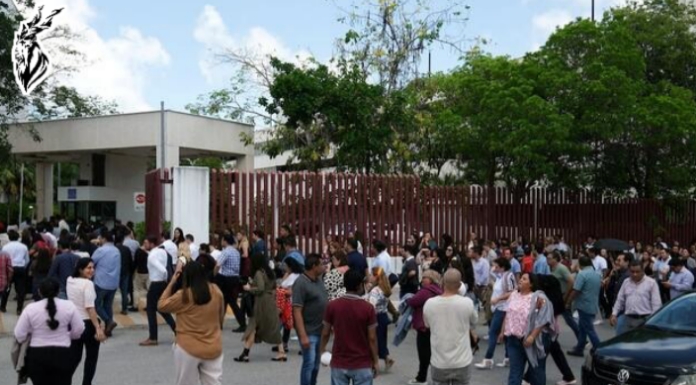
The shaking was also reported in southern Florida and along Mexico’s Yucatán Peninsula, including the popular tourist destinations of Cancún, Playa del Carmen, and Tulum. In Cancún, residents and workers evacuated buildings as a precaution.

Authorities in the Mexican states of Yucatán and Quintana Roo activated emergency response protocols. However, local officials said there were no immediate reports of injuries or significant damage.

The U.S. National Weather Service confirmed that no tsunami warning or watch was issued following the earthquake.

India Deports Nearly 5,000 Bangladeshis Following BJP’s Election Victory in West Bengal

0

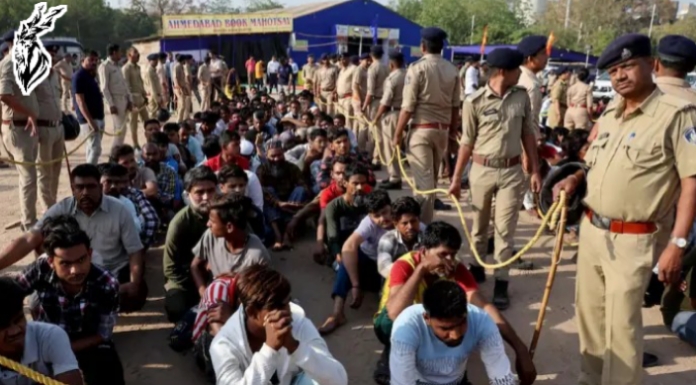
India has deported nearly 5,000 Bangladeshi nationals since the Bharatiya Janata Party (BJP) assumed power in West Bengal last month, according to figures released by state authorities.

The BJP secured a decisive victory in the eastern border state after campaigning on a pledge to identify and remove undocumented migrants. Following the election, the new administration established detention centres across West Bengal to house undocumented Bangladeshi migrants and Rohingya refugees pending deportation.

Speaking in Kolkata on Sunday, West Bengal Chief Minister Suvendu Adhikari said 4,800 Bangladeshi nationals had already been deported under the state’s ongoing campaign.

“We have started the process of deporting Bangladeshi infiltrators who do not fall under the purview of the Citizenship Amendment Act,” Adhikari said, adding that detention facilities had been set up in all districts in May.

He further stated that 836 individuals remain in holding centres and are expected to be deported in the coming weeks.

The deportation drive has reignited debate over immigration and citizenship in West Bengal, a state that shares a long and porous border with Bangladesh. Critics have accused the BJP of targeting Muslim communities through its rhetoric and immigration policies, while rights groups have previously raised concerns over alleged deportations conducted without adequate legal procedures.

The campaign comes amid evolving relations between India and Bangladesh following political changes in Dhaka in 2024 that led to the departure of former prime minister Sheikh Hasina. While ties between the two neighbours have shown signs of improvement under Bangladesh’s newly elected government, border management and migration remain sensitive issues. Senior border security officials from both countries are scheduled to meet in New Delhi this week to discuss bilateral concerns.

MG Motor Pakistan Unveils MG4 EV Urban, Readies Dealerships and Customers for Electric Mobility

0

MG Motor Pakistan has officially introduced the all-new MG4 EV Urban, strengthening its electric vehicle portfolio while also focusing on customer education and dealership readiness. The launch event brought together dealership leadership, media representatives, and industry stakeholders for an exclusive first look at MG’s latest electric hatchback.

Alongside the unveiling, MG Motor Pakistan also conducted a dedicated product training session for dealership teams and executives. This training-led approach is important as EV adoption grows in Pakistan. For many customers, electric mobility is still a new ownership experience. By preparing its dealership teams, MG is helping ensure that customers receive clearer information and better support when considering the MG4 EV Urban.

The vehicle itself has been positioned as a practical and technology-focused urban family EV. It is powered by a 43-kWh battery and a front-wheel-drive electric motor that delivers 110 kW of power and 250 Nm of torque. The MG4 EV Urban offers up to 316 km WLTP range on a single charge, making it suitable for daily city use. Charging practicality is also key: DC fast charging allows the battery to charge from 10% to 80% in approximately 28 minutes.

Alongside dealership readiness, MG Shield is introducing an additional customer-focused feature to celebrate the MG4 Urban launch. As the exclusive partner of MG JW, MG Shield will offer complimentary breast cancer treatment coverage of up to PKR 2 million for eligible women customers or spouses of male customers who opt for MG Shield motor insurance. This benefit is available to eligible insured individuals aged 18 to 59 at no additional cost.

Inside, the MG4 EV Urban offers a modern cabin with a 12.8-inch HD infotainment touchscreen, wireless Apple CarPlay and Android Auto, wireless charging, and heated front seats. The safety package includes MG Pilot Advanced Driver Assistance Systems, Adaptive Cruise Control, Autonomous Emergency Braking, Blind Spot Detection, and a 540-degree HD camera system.

Globally, the MG4 has become one of MG’s most successful electric vehicles, with more than 200,000 units sold worldwide. Its introduction in Pakistan allows MG Motor Pakistan to bring this global EV success to local consumers. According to Jianqiang Shao, CEO of MG Motor Pakistan, the MG4 EV Urban reflects the company’s commitment to expanding smart and accessible electric mobility solutions in the country.

With the MG4 EV Urban, MG Motor Pakistan is not only launching a new vehicle; it is also building the support structure needed to make EV ownership more understandable, convenient, and accessible for Pakistani families.

Source: ARY News