
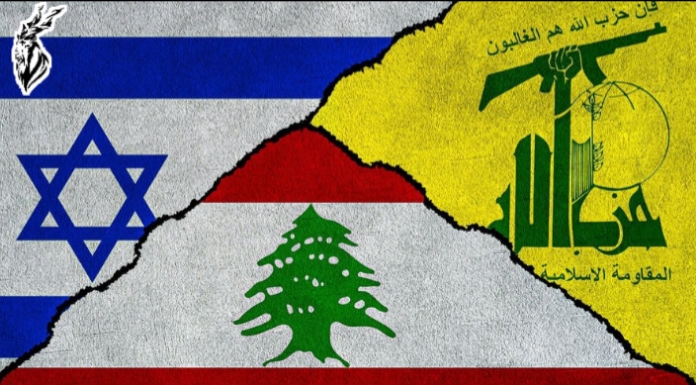

Israeli and Lebanese officials are scheduled to meet in Washington next week for critical negotiations aimed at de-escalating weeks of intense cross-border fighting between Israel and Iran-backed Hezbollah. The talks, facilitated by U.S. President Donald Trump, come as mounting casualties and regional instability threaten to unravel a fragile U.S.-Iran ceasefire agreement. This diplomatic push represents a significant shift following Lebanon’s unprecedented offer for direct negotiations and normalization of relations with Israel.
The conflict intensified dramatically after Hezbollah fired missiles into Israel on March 2, just three days into the U.S.-Israeli war with Iran. Israel responded with escalated air attacks and expanded ground operations into southern Lebanon, displacing hundreds of thousands of residents from villages identified as Hezbollah strongholds. The human toll has been severe, with at least 1,888 Lebanese killed in Israeli attacks and at least two Israelis dead from Hezbollah rocket fire, creating urgent international pressure for resolution.
Diplomatic momentum accelerated following Lebanon’s surprising diplomatic overture. President Joseph Aoun expressed willingness to begin direct negotiations with Israel to halt the fighting, even suggesting readiness to normalize relations—a historic offer that Israel initially rebuffed as too late. Israel’s position changed after the U.S. and Iran reached their own ceasefire agreement on Tuesday, with Iran insisting that Israel cease fire on Lebanon ahead of parallel talks scheduled in Pakistan. President Trump subsequently urged Israeli Prime Minister Benjamin Netanyahu to “lighten up attacks on Hezbollah,” according to sources familiar with the discussions.
The Washington talks will feature Israeli ambassador to the U.S., Yechiel Leiter, and Lebanese counterpart, Nada Hamadeh Moawad, meeting next week. Both sides have appointed senior figures to potentially lead broader negotiations, with Israel tapping former strategic affairs minister Ron Dermer and Lebanon selecting former ambassador to the U.S., Simon Karam, though neither is expected at the initial Washington meeting. The negotiations occur against the backdrop of Hezbollah’s entrenched position in Lebanese politics and its refusal to disarm, viewing its arsenal as essential for national defense against Israeli attacks.
Israel maintains clear objectives for the talks, with Netanyahu stating negotiations would aim to achieve Hezbollah’s disarmament and secure a peace agreement between Israel and Lebanon. However, the Israeli leader emphasized that attacks on Hezbollah would continue during negotiations, and officials have not indicated willingness to scale back ground operations or withdraw from positions in southern Lebanon. Israel has been bombing Lebanese villages to create a buffer zone against Hezbollah along its northern border, though a senior Israeli official suggested attacks might be scaled down ahead of the talks.
Lebanon faces complex internal challenges, with Hezbollah maintaining significant political influence and military capability despite the government’s efforts to establish state monopoly on arms following the 2024 U.S.-brokered deal. The broader regional dynamics further complicate negotiations, as any agreement must balance Israeli security concerns with Lebanese sovereignty and the intricate relationship between Lebanon’s government and Hezbollah. The outcome of these talks could significantly impact not only Israeli-Lebanese relations but also the wider Middle East security landscape.
The Washington negotiations represent a critical test for regional diplomacy, occurring amid heightened tensions and competing interests. Success could pave the way for reduced hostilities and potentially broader normalization, while failure risks further escalation in a conflict that has already claimed nearly 2,000 lives. As both sides prepare for these high-stakes talks, the international community watches closely, aware that the results will reverberate throughout the Middle East and influence multiple ongoing regional conflicts.
Source: ARY News