
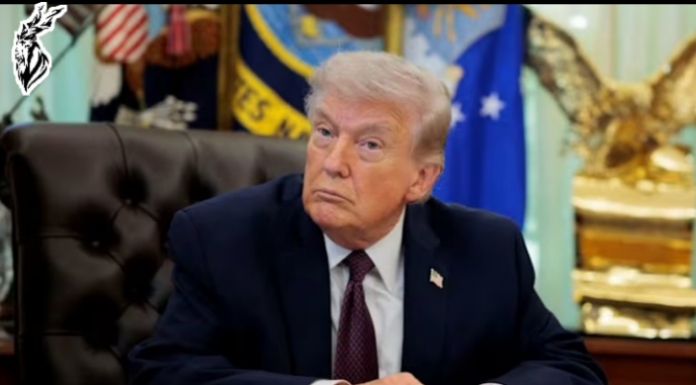

NATO Secretary General Mark Rutte has urgently informed European governments that U.S. President Donald Trump expects concrete commitments within days to help secure the vital Strait of Hormuz, according to diplomats speaking on Thursday. This demand comes as Trump threatens to withdraw from the 32-member transatlantic alliance, accusing European partners of insufficient support during the U.S.-Israeli military campaign against Iran.
Rutte, often described as Europe’s “Trump whisperer,” conveyed the president’s ultimatum following a White House meeting on Wednesday, three diplomats told Reuters. European leaders now face intense pressure to demonstrate rapid, tangible plans for securing the Strait of Hormuz, a critical global oil transit point effectively blocked by Iran during the ongoing conflict. The Strait of Hormuz handles about one-fifth of the world’s oil shipments, making its security a paramount concern for international energy markets.
Speaking at the Ronald Reagan Institute in Washington, Rutte acknowledged that some allies were initially “a bit slow” to assist the U.S. in Iran but emphasized that “nearly without exception, allies are doing everything the United States is asking.” He added, “They have heard and are responding to President Trump’s requests.” However, multiple European nations have conditioned their assistance on a durable cessation of hostilities and guarantees that their vessels will not be targeted.
NATO spokesperson Allison Hart confirmed on Thursday that Rutte is discussing the Washington talks with allies, noting “the United States expects concrete commitments and action to ensure freedom of navigation in the Strait of Hormuz.” The demand exacerbates existing tensions within NATO, which have been strained by Trump’s previous threats, including January’s remarks about acquiring Greenland from Denmark. BBC News has reported extensively on these intra-alliance frictions.
Despite Trump’s announcement of a two-week ceasefire in attacks on Iran, diplomatic fallout continues. One diplomat noted, “We note the frustration in Washington, but they did not consult allies either before or after starting this war.” While NATO as an organization will not engage directly in the Iran conflict, allies seek to contribute to longer-term solutions for Hormuz security, potentially aiding ongoing negotiations with Tehran.
In a Truth Social post after meeting Rutte, Trump capitalized: “NATO WASN’T THERE WHEN WE NEEDED THEM, AND THEY WON’T BE THERE IF WE NEED THEM AGAIN.” A senior European official admitted, “The NATO community is more worried right now than confident, and the meeting did not take the worry away.” Reuters coverage highlights the alliance’s precarious state.
Britain is leading a coalition of approximately 40 countries developing a military and diplomatic strategy to reopen and safeguard the strait, though near-term breakthroughs appear unlikely. French President Emmanuel Macron stated that about 15 nations are planning to facilitate resumed traffic. Rutte concluded his speech by asserting the alliance is “undergoing a shift but growing stronger,” with Europe assuming “a greater and fairer share” of conventional defense responsibilities.
Source: ARY News