

Iran has said diplomatic engagement will continue despite the high-level Islamabad Talks ended without a peace deal.
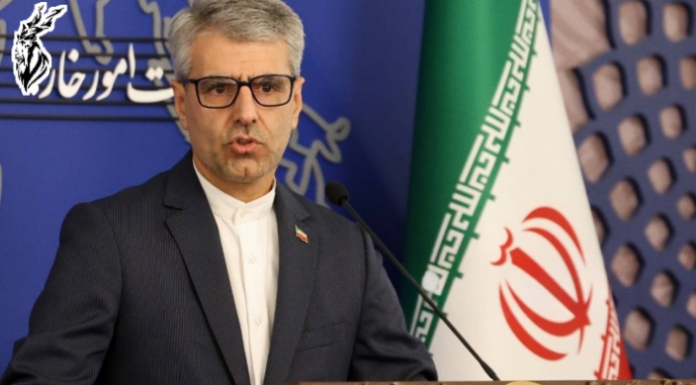
According to Iran’s Tasnim News Agency, Foreign Ministry spokesperson Esmaeil Baqaei said Tehran and Washington reached an understanding on several issues during the talks but remained divided on a few key matters.
Islamabad Talks, marked the highest-level direct meeting between the two countries since the Iranian Revolution of 1979.
Tensions between Iran and the United States escalated after coordinated strikes by the US and Israel on Iranian targets on February 28, prompting retaliatory actions from Tehran that heightened instability across the Middle East and unsettled global markets.
Following nearly 21 hours of discussions, US Vice President JD Vance said he was leaving Islamabad after presenting what he described as Washington’s “final and best offer” to Tehran.
The Iranian delegation was led by parliament speaker Mohammad Bagher Ghalibaf, who later said that although the US had understood Iran’s principles and negotiating position, it had failed to earn Tehran’s trust.
Baqaei said the talks took place in an atmosphere marked by deep mistrust, adding that it was unrealistic to expect a comprehensive agreement in a single round of negotiations.
“Diplomacy never ends,” he said, stressing that negotiations remain an essential tool for protecting national interests during both times of war and peace.
He added that progress in future talks would depend on the seriousness and good faith of the opposing side, as well as recognition of Iran’s legitimate rights and interests.
The spokesperson also highlighted the complexity of the negotiations, noting that new issues — including the situation around the Strait of Hormuz — had been introduced into the discussions, further complicating efforts to reach a breakthrough.