
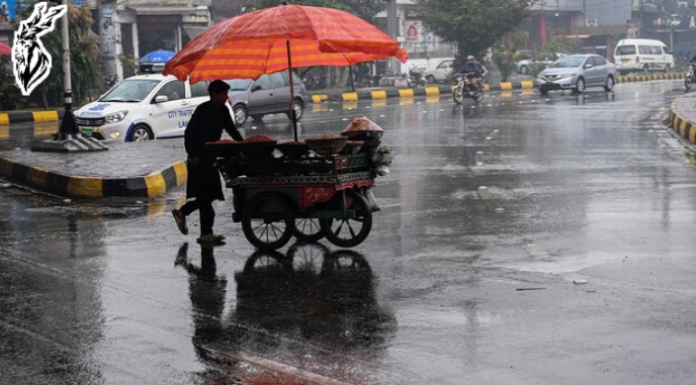

RAWALPINDI / LAHORE / KARACHI — Pakistan is experiencing sharply contrasting weather conditions this week, with intense heat gripping the south while northern and central regions prepare for storms, rain, and possible landslides.
According to the Pakistan Meteorological Department, a fresh westerly weather system is set to enter the country’s northwestern areas on Saturday evening and remain active through May 5. This system is expected to bring dust storms, thunderstorms, rain, and isolated hailstorms across large parts of Khyber Pakhtunkhwa, northern Punjab, Gilgit-Baltistan, and Kashmir.
Areas including Chitral, Swat, Mansehra, Abbottabad, Peshawar, and surrounding districts are likely to experience strong winds, heavy rainfall, and occasional hail from Saturday night through Monday. Similar conditions are forecast for Islamabad, Rawalpindi, Lahore, and other parts of Punjab, with southern districts like Multan and Dera Ghazi Khan expected to see rain and windstorms on May 3 and 4.
Authorities have warned that the system may trigger landslides in vulnerable mountainous regions, particularly in upper Khyber Pakhtunkhwa, Gilgit-Baltistan, and Kashmir.
In response, the Provincial Disaster Management Authority (PDMA) has issued alerts across Punjab, urging local administrations to remain prepared for emergencies. Officials cautioned that strong winds, lightning, and hail could damage weak infrastructure such as electric poles, billboards, and solar panels.
Farmers have also been advised to take precautions to protect crops from potential damage caused by storms and hail.
Meanwhile, Sindh continues to endure extreme heat. Several cities, including Shaheed Benazirabad, Sakrand, and Dadu, recorded temperatures as high as 46.5°C, significantly above seasonal averages. Hyderabad crossed 45°C, while Jacobabad also reported extreme heat levels.
Karachi is expected to see temperatures rise further, reaching up to 39°C over the weekend. Meteorologists say there is little chance of rainfall in the city before the monsoon season.
Officials have urged residents in heat-affected areas to limit outdoor activities, stay hydrated, and take precautions against heat-related illnesses.
Experts also pointed to environmental factors contributing to rising temperatures in urban areas like Karachi, highlighting the loss of green cover and rapid urbanization as key concerns.
Looking ahead, the PMD noted that global climate models suggest a growing likelihood—around 61%—of El Niño developing between May and July. This could further influence regional weather patterns, potentially intensifying heat during the peak summer months.