
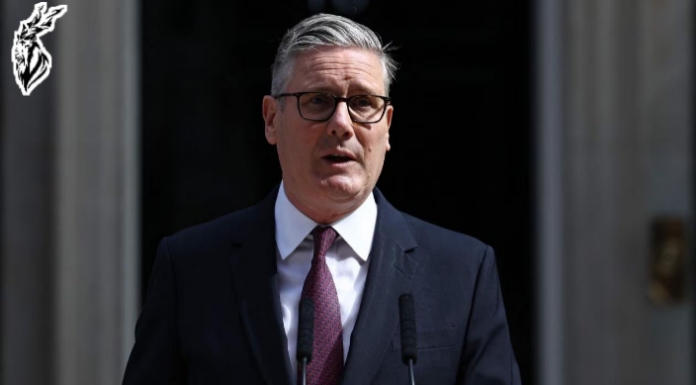

London: UK Prime Minister Keir Starmer has announced he will step down, paving the way for Britain to have its seventh prime minister in just 10 years, with a new Labour leader expected to be in place by September when Parliament reconvenes.
Starmer said on Monday that nominations to replace him would open on July 9 and confirmed he would support his successor to ensure a smooth transition of power. He acknowledged that his parliamentary party no longer saw him as the best choice to lead Labour into the next general election.
“The question my party is asking now is whether I am best placed to lead us into the next general election. I have heard the answer of my parliamentary party, and I accept that with good grace,” he said.
His resignation comes less than two years after leading Labour to a landslide election victory, which was widely seen as a mandate to restore stability to British politics after years of turbulence. The resignation paves way for the 7th PM in UK during the span of last 10 years.
Attention has now turned to potential successors, with Greater Manchester Mayor Andy Burnham emerging as a leading contender. Burnham recently returned to Westminster after winning a by-election in Makerfield, a result that strengthened speculation about a leadership contest within the party.
The pressure on Starmer had been mounting for months but intensified after Burnham’s electoral success against a Reform UK candidate led by Nigel Farage, a party that has surged in national opinion polls over the past year. Labour lawmakers have increasingly viewed Burnham as a potential figure capable of revitalising the party amid declining public support for Starmer.
Starmer, visibly emotional during his announcement, thanked his colleagues and paid tribute to his family, including his wife Victoria, whom he described as his strongest support.
Despite the political upheaval, financial markets remained largely stable following the announcement, with the pound and UK government bonds showing little immediate reaction.
However, analysts warn that the transition could present economic and political challenges for the incoming leadership. Concerns remain over the UK’s fiscal position, high borrowing costs among G7 economies, and ongoing pressure to manage public spending, investment needs and cost-of-living concerns.
Economists note that any new prime minister will inherit limited fiscal flexibility, with markets expected to closely scrutinise future economic policy direction.
The leadership change also marks another moment of political volatility in the UK, which has now seen a rapid turnover of prime ministers since the Brexit referendum nearly a decade ago. Analysts say this reflects continued voter dissatisfaction over economic performance, public services and immigration policy.
While Starmer had initially indicated he would contest any leadership challenge, sources suggest his position shifted over the weekend amid growing internal pressure within the party.
The Labour Party is now expected to move quickly to finalise its leadership transition ahead of Parliament’s return in September, setting the stage for a new phase in British politics.