
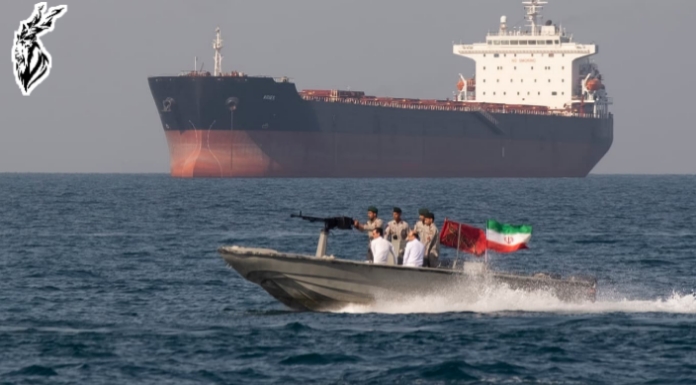

Disruptions in the Strait of Hormuz following the conflict between the United States, Israel and Iran have sharply reduced global seaborne oil transportation, pushing shipping activity below levels recorded during the COVID-19 pandemic.
According to maritime data, the amount and distance of oil transported by sea in March — measured in “ton-miles” — fell 13.7% compared with the same month last year. The decline followed the effective closure of the Strait of Hormuz after US-Israeli strikes on Iran on February 28 and Tehran’s retaliatory actions, which severely disrupted maritime traffic through one of the world’s most critical energy transit routes.
Before the conflict, an average of around 130 vessels passed through the Strait of Hormuz each day. Since hostilities escalated, that number has dropped dramatically to single digits, reflecting the scale of the disruption to global oil transport.
A temporary two-week ceasefire between the United States and Iran announced on April 8 raised hopes of easing tensions and reopening the waterway. However, continued regional tensions — including Israeli strikes in Lebanon and accusations from Tehran that ceasefire terms were being violated — have continued to affect shipping traffic through the strait.
The disruption has particularly affected very large crude carriers (VLCCs), the massive oil tankers that transport crude from the Persian Gulf to global markets. Data from US-based maritime analytics firm Veson Nautical shows that ton-mile capacity for VLCCs dropped by 20% year-on-year in March, while the cargo volume per ship declined by 27%.
As of April 8, there were 73 VLCCs located in the inner Persian Gulf, with 58 of them effectively stranded after being unable to depart regional ports due to the security situation. With approximately 911 active VLCCs worldwide, analysts estimate that about 6.3% of the global fleet is currently stuck in the Gulf.
Overall, around 17.9 million tonnes of crude transport capacity from the global VLCC fleet — which totals about 280.9 million tonnes — is currently idle in the region, highlighting the major impact of the Strait of Hormuz crisis on global oil logistics.
Medium-sized tankers have been less affected by the disruption. Aframax and Suezmax vessels, which typically operate on shorter and alternative trade routes outside the Gulf, continued functioning more normally during the crisis.
In March, Aframax tankers recorded a 7% year-on-year increase in ton-miles, while the average distance traveled per ship rose by about 10%. Increased exports from the Gulf of Mexico also supported the market, with Aframax shipments from the region rising by 23% compared with last year.
In Southeast Asia, export volumes declined by 28.5%, but longer transport distances led to an almost 50% increase in ton-miles for Aframax vessels. Meanwhile, Suezmax tankers saw relatively minor changes, with total ton-mile volumes falling just 1% year-on-year.
Despite these alternative routes remaining active, overall global oil shipping still recorded a significant drop. Combined ton-mile activity across VLCC, Aframax and Suezmax tankers fell 13.7% in March, bringing seaborne oil transport below the lowest monthly levels recorded during the pandemic.
Graham Close, head of trading analytics at Veson Nautical, said February data is typically weaker due to calendar effects, making March figures more significant in showing the scale of the disruption.
He noted that the amount of oil transported by sea declined by 17.9% year-on-year in March, adding that the real drop could be even greater because ships currently loaded but stranded in the Gulf are still counted as being at sea.
“This is the lowest monthly volume since September 2020,” Close said, referring to the pandemic-era slump in shipping activity.
He added that refineries in Asia had already begun sourcing more crude from the Atlantic Basin before the conflict and said April would be a crucial month to determine whether those alternative supply routes can offset the loss of Gulf exports.