Home Blog Page 5

US and Iran Near Agreement, Extend Ceasefire, Allow Oil Sales: Axios

0

The United States and Iran are on the verge of a landmark agreement, with Axios reporting Sunday that a potential 60-day extension of the ceasefire is part of a broader memorandum of understanding (MOU) being finalized. The deal, brokered with significant mediation by Pakistan, includes crucial concessions from both sides, notably the reopening of the Strait of Hormuz and the lifting of certain US sanctions to allow Iran to sell oil freely.

According to Axios, the current draft of the MOU specifies that the Strait of Hormuz—a vital shipping lane whose closure has disrupted global energy markets—would be reopened without tolls. Iran has committed to clearing mines it deployed in the strait, while the US would lift its blockade on Iranian ports and waive some sanctions, enabling Iran to export oil. Issues related to Iran’s nuclear program and enriched uranium stockpile remain under negotiation, though Iran has verbally assured restrictions on uranium enrichment.

Pakistan has played a pivotal role as the main mediator, with Field Marshal Asim Munir leading the effort. President Donald Trump earlier claimed that the emerging MOU would reopen the Strait of Hormuz, a statement contested by Iran’s Fars news agency. Trump wrote on Truth Social that the agreement would restore navigation through the strait, but Fars reported that Iran would retain management of the waterway, calling Trump’s assertion inconsistent with reality. The New York Times, citing US officials, reported that Iran has committed to giving up its highly enriched uranium, with details to be finalized in subsequent talks.

The agreement marks a significant de-escalation after months of conflict. The reopening of the Strait of Hormuz is expected to stabilize global energy prices, which had soared since the US and Israel launched military operations against Iran in February. Analysts view the deal as a diplomatic victory for Pakistan, which has actively facilitated negotiations between Washington and Tehran.

Final aspects of the agreement are being discussed and will be announced shortly, Trump stated. The deal underscores the shifting dynamics in the Middle East, where diplomatic channels are gaining traction over military confrontation. For more context on Iran-US relations and the Strait of Hormuz, see Iran–United States relations and Strait of Hormuz: The chokepoint for global oil trade.

Source: ARY News
Russia strikes Kyiv with massive missile and drone attack, killing four

0

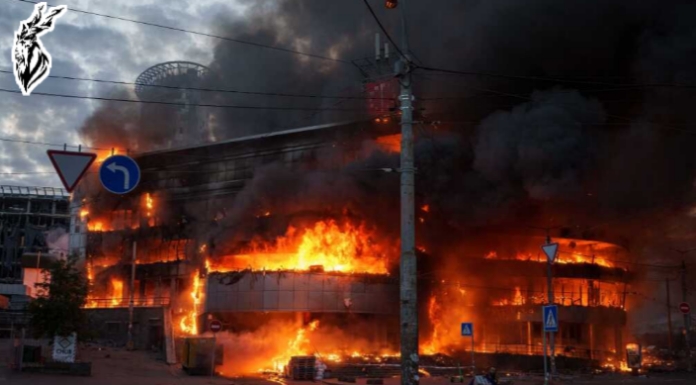
Russia launched a massive combined missile and drone attack on Kyiv early Sunday, killing at least four people and injuring dozens more in the heaviest assault on the Ukrainian capital in weeks, officials said.

Explosions rocked the city shortly after 1 a.m. local time, following an air force warning that Russia might deploy its hypersonic Oreshnik ballistic missile. Kyiv Mayor Vitali Klitschko reported two deaths and 56 injuries within the city, with 30 hospitalized. Damage was reported in historic Independence Square, a symbol of Ukrainian resilience.

“It was a terrible night for Kyiv,” Klitschko said on Telegram. “Right now, rescuers are putting out fires and clearing debris.” Residents sought shelter in metro stations, with 62-year-old Nataliia Zvarych describing the terror of huddling underground for hours.

The head of Kyiv’s military administration said over 40 locations were damaged. In the broader Kyiv region, two more people were killed and nine injured, according to regional governor Mykola Kalashnyk.

At dawn, smoke rose from multiple fires across the cityscape. Firefighters battled blazes in damaged buildings as rescue teams evacuated the wounded. Images showed a collapsed facade of a five-story residential block, while officials reported damage to offices, shops, warehouses, and a metro station entrance.

President Volodymyr Zelenskiy had warned Saturday that Russia was preparing an Oreshnik strike based on intelligence from Ukraine, the U.S., and Europe. Russia has used the Oreshnik—a missile with intercontinental range and nuclear capability—twice before. President Vladimir Putin claims it is impossible to intercept due to speeds exceeding Mach 10. Learn more about the Oreshnik missile system.

Zelenskiy’s warning followed Putin’s order to prepare retaliation for a Ukrainian drone strike on a student dormitory in Russian-occupied Luhansk on Friday. Ukraine denied the accusation, saying it targeted a Russian drone command unit.

Neighboring Poland activated its military aviation during the strikes but detected no airspace violations, the Polish army said. The attack underscores escalating tensions as Russia intensifies strikes on Ukrainian infrastructure. Read more about the war in Ukraine from BBC.

The assault comes amid ongoing diplomatic efforts to de-escalate the conflict. See Al Jazeera’s coverage of the attack.

Source: ARY News

Pakistan Hopes to Host Next Round of Iran-US Talks Soon, Says PM Shehbaz

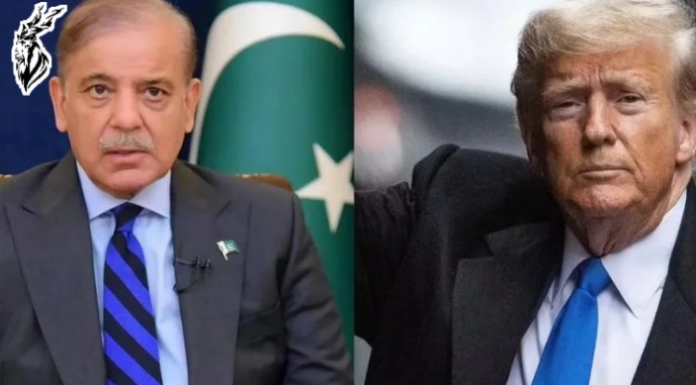
Shehbaz Sharif on Sunday expressed optimism that Pakistan would soon host another round of talks between Iran and the United States as diplomatic efforts to ease regional tensions continue.

In a post on X, the prime minister praised Donald Trump for what he described as “extraordinary efforts” to advance peace through ongoing diplomatic engagement.

According to PM Shehbaz, President Trump held a “very useful and productive” telephone conversation with leaders from Saudi Arabia, Qatar, Turkiye, Egypt, the UAE, Jordan, and Pakistan to discuss the regional situation and ongoing peace initiatives.

The prime minister said Chief of Defence Forces and Chief of Army Staff Field Marshal Asim Munir represented Pakistan during the discussions, adding that he appreciated the military chief’s continued efforts in support of the peace process.

“The discussions provided a useful opportunity to exchange views on the current regional situation and how to move the ongoing peace efforts forward to bring lasting peace in the region,” PM Shehbaz said, adding that Pakistan would continue mediation efforts “with utmost sincerity”.

Earlier, President Trump wrote on Truth Social that he had held a “very good call” with regional leaders regarding Iran and an emerging peace understanding involving several countries in the region.

Trump stated that an agreement between the United States, Iran, and other involved countries had largely been negotiated and was awaiting finalisation. He also claimed that discussions were underway regarding reopening the strategically important Strait of Hormuz.

However, Iranian news agency Fars disputed Trump’s remarks, saying any understanding would leave control of the waterway with Iran and describing the US president’s comments as inconsistent with the facts.

Trump also confirmed a separate conversation with Israeli Prime Minister Benjamin Netanyahu, saying the discussion had gone “very well”.

The latest diplomatic contacts come amid mounting pressure from Washington and its regional allies as negotiations with Tehran continue. Earlier this week, Trump warned that military action could resume if talks failed to produce an agreement.

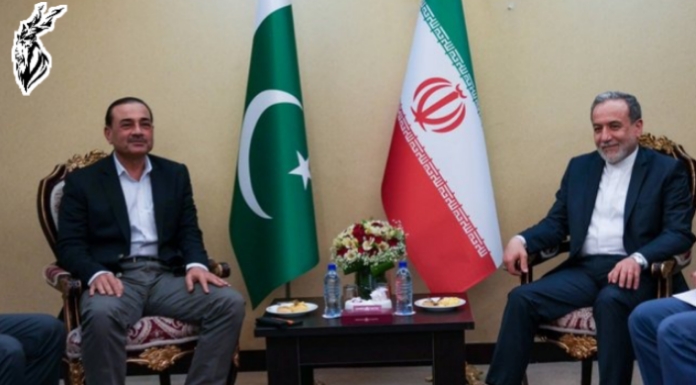
Meanwhile, Pakistan intensified its mediation efforts, with Field Marshal Asim Munir holding meetings in Tehran with Iranian President Masoud Pezeshkian, Parliament Speaker Mohammad Bagher Ghalibaf, Foreign Minister Abbas Araghchi, and Interior Minister Eskandar Momeni.

According to the Inter-Services Public Relations (ISPR), the engagements were held in a “positive and constructive environment” and contributed significantly to progress toward a final understanding.

Pakistan has played a central mediation role since tensions escalated following US and Israeli strikes on Iran earlier this year and Tehran’s retaliatory measures, including the closure of the Strait of Hormuz.

Islamabad previously brokered a two-week ceasefire between Washington and Tehran on April 8 and later hosted direct negotiations between the two sides on April 11 and 12. While those talks ended without a final deal, diplomatic backchannel efforts have continued.

Serial Rapist Arrested in Karachi After Luring Victims with Fake Job Offers

0

The Malir investigation police in Karachi have arrested an alleged serial rapist who reportedly targeted young women by luring them with fake job offers on social media, officials confirmed on Tuesday.

Senior Superintendent of Police (SSP) Investigation Majida Parveen said the main suspect, identified as Aamir Ali, and three alleged accomplices—Zain, Noman, and Saeed—were detained during a targeted operation in the Malir area. Parveen stated that the suspect used online platforms to contact women and offer them employment opportunities as a way of trapping them.

According to police, the suspect has confessed to involvement in the rape of 17 to 18 women. He is a habitual offender with prior cases of robbery and sexual assault already registered against him. The SSP added that during a court identification parade, one victim successfully identified the main suspect.

This case highlights the growing concern over cybercrime and the exploitation of social media for predatory purposes. In Pakistan, incidents of sexual violence have spurred calls for stricter laws and better enforcement. The use of fake job offers to lure victims is a common tactic among perpetrators, often targeting vulnerable women seeking employment.

Police have urged the public, especially women, to verify the authenticity of job offers and report suspicious online activity. The investigation is ongoing, and authorities are working to identify any additional victims. The suspects remain in custody pending further legal proceedings.

This arrest comes as part of broader efforts by law enforcement to combat sexual violence and human trafficking in the region. The SSP assured that all necessary measures are being taken to ensure justice for the victims.

Source: ARY News

U.S. and Iran report progress on talks ending war, looking to next few days

0

Iran, the United States, and mediator Pakistan all signaled on Saturday that significant progress has been made in negotiations aimed at ending nearly three months of war, raising hopes for a potential breakthrough in the coming days.

Iran’s foreign ministry announced that Tehran is focused on finalizing a memorandum of understanding after Iranian negotiator Mohammad Baqer Qalibaf and Foreign Minister Abbas Araqchi met with Pakistan’s army chief, General Asim Munir, in Tehran. Munir also held talks with President Masoud Pezeshkian before departing, according to Iranian state media. The Pakistani army described the previous 24 hours of negotiations as resulting in “encouraging progress towards a final understanding.”

U.S. Secretary of State Marco Rubio, speaking to reporters in New Delhi, confirmed some progress on Iran. “There’s been some progress done, some progress made, even as I speak to you now, there’s some work being done. There is a chance that, whether it’s later today, tomorrow, in a couple days, we may have something to say,” Rubio said.

Iranian Foreign Ministry spokesperson Esmail Baghaei added that the trend this week has been toward a reduction in disputes, but noted that issues remain. “We will have to wait and see where the situation ends in the next three or four days,” Baghaei said.

Pakistan’s mediation efforts aim to narrow differences between the two sides after weeks of conflict that have closed the strategic Strait of Hormuz to most shipping, disrupting global energy markets. The talks reportedly center on a 14-point document proposed by Iran as the main framework for discussions, along with messages exchanged between the two sides. Baghaei said ending the threat of new U.S. attacks and the conflict in Lebanon, where Hezbollah militants are fighting Israeli forces, is Tehran’s priority.

Rubio reiterated U.S. President Donald Trump’s demands: Iran must never acquire a nuclear weapon, the Strait of Hormuz must reopen without tolls, and Iran must turn over its enriched uranium. Trump, whose approval ratings have suffered due to the war’s impact on energy prices for U.S. consumers, said Friday he would skip his son’s wedding this weekend, citing Iran among reasons to stay in Washington.

Despite weeks of conflict, Iran has preserved its stockpile of near-weapons-grade enriched uranium and its missile, drone, and proxy capabilities, which the United States and Israel aim to curb. Qalibaf warned that if the U.S. restarts the war, the consequences would be “more forceful and bitter” than at the conflict’s outset.

Source: ARY News

Cement Price in Pakistan Today – May 23, 2026: Rates Hold Steady Despite Fuel Cost Pressures from Iran Conflict

0

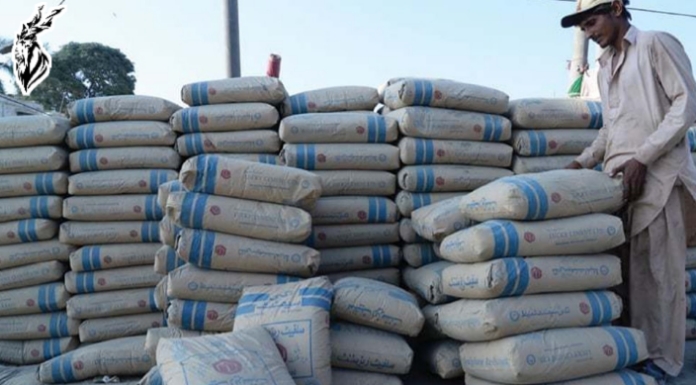
As of May 23, 2026, cement prices in Pakistan for a standard 50kg bag of ordinary Portland cement (OPC, typically 53 grade) range from approximately Rs. 1,350 to Rs. 1,610, depending on brand, region, quality, and local dealer margins. The nationwide average sits around Rs. 1,400 to Rs. 1,560 per bag, with many popular options trading in the Rs. 1,540–1,580 range at retail level.

In major cities, Karachi and southern markets—including other Sindh areas—often see more competitive rates, typically Rs. 1,350 to Rs. 1,520, benefiting from proximity to production plants and relatively lower freight costs. Lahore, Islamabad, and northern regions generally range from Rs. 1,400 to Rs. 1,610 (with some urban retail quotes higher), influenced by longer transportation distances and steady demand from residential, commercial, and infrastructure projects.

These authentic rates reflect the latest dealer and market updates as of May 23, 2026. Prices have shown modest firmness this month amid ongoing cost challenges. The ongoing Iran conflict (escalated since late February 2026) continues to disturb global oil supplies through the Strait of Hormuz, keeping international crude prices volatile and elevated. This has triggered repeated fuel hikes in Pakistan. Petrol currently stands at approximately Rs. 414–415 per litre and high-speed diesel at similar levels. Fuel costs have climbed dramatically—over 55–60% since the conflict began—substantially raising transportation expenses for cement (especially diesel for trucking) and energy costs for kiln operations. Despite this sustained pressure, robust domestic production, higher dispatches, and balanced supply have helped contain sharper spikes in cement bag prices so far.

Pakistan’s construction sector continues to rely on cement as a foundational material for homes, roads, commercial developments, and large-scale government infrastructure initiatives. In late May 2026, the market displays balanced pricing amid global energy volatility from the Iran situation, backed by solid local demand.

Standard grey OPC cement trades in the Rs. 1,350–1,610 range across the country. Southern regions, particularly around Karachi and Sindh, maintain relatively competitive pricing near Rs. 1,350–1,520, while northern cities like Lahore and Islamabad typically see Rs. 1,400–1,610. These variations primarily arise from plant locations, freight charges, and regional demand patterns. The ripple effects of the Iran conflict on petrol and diesel prices have added to logistics and production costs, yet cement rates have experienced only gradual adjustments rather than major surges. This measured stability offers builders and homeowners a reasonable degree of predictability for planning renovations, new residential projects, or bigger developments.

Practical tips for buyers right now: Compare quotes from multiple local suppliers to secure the most competitive rate. Inquire about bulk purchase discounts, which can help offset some of the fuel-driven cost increases. Keep an eye on energy price movements or any further policy responses to the Iran conflict that could influence future cement pricing.

With sustained government emphasis on housing schemes and infrastructure spending, cement demand remains firm, supporting active supply chains. The recent fuel price volatility linked to the Iran war serves as a reminder of how international events can affect local construction costs, but current authentic rates still allow for effective budgeting in ongoing projects. For the most precise pricing in your area (especially in Sindh regions like Karachi or nearby), contact trusted local vendors or check daily dealer boards—small variations are common. For broader context on construction costs, see Al Jazeera’s economy coverage.

Source: ARY News

Kuwaiti Dinar Remains Stable Against Pakistani Rupee in Weekly Review

0

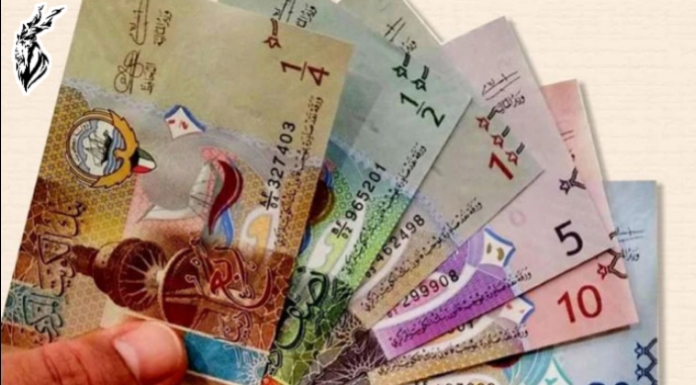
The Kuwaiti Dinar (KWD) maintained a largely stable trajectory against the Pakistani Rupee (PKR) during the trading week ending May 23, 2026, with only minor fluctuations recorded in Pakistan’s open market, according to currency dealers.

As of May 23, the Kuwaiti Dinar was quoted at Rs. 878.70 for buying and Rs. 889.25 for selling, reflecting a steady close to the week. A day earlier, on May 22, the buying rate stood at Rs. 878.70 and the selling rate at Rs. 889.25, showing no significant change from the previous session.

On May 21 and May 20, the Kuwaiti currency traded at Rs. 879.28 for buying and Rs. 890.25 for selling on both days, marking the highest selling rate of the week. Earlier, on May 19, the KWD was trading at Rs. 879.18 for buying and Rs. 889.25 for selling. The week began on May 18 with the Kuwaiti Dinar at approximately Rs. 879.28 for buying and Rs. 889.06 for selling in the open market.

Overall, the KWD-PKR exchange rate remained within a narrow range throughout the week, indicating limited volatility in the foreign exchange market. Currency experts attributed the stable movement to balanced demand for Gulf currencies and consistent remittance inflows from overseas Pakistanis.

The Kuwaiti Dinar is one of the strongest and most valued foreign currencies traded in Pakistan, driven by strong employment and remittance links with Kuwait, where a significant Pakistani workforce resides. According to the World Bank, remittances from Kuwait form a vital source of foreign exchange for Pakistan. Similarly, the BBC has reported on the steady demand for Gulf currencies in South Asian markets.

Looking ahead, analysts predict the Kuwaiti Dinar will continue to trade in a tight band against the rupee, supported by stable oil prices and sustained worker remittances. The Reuters currency desk notes that Middle Eastern currencies often exhibit low volatility against Asian peers due to pegged exchange rate regimes.

Source: ARY News

UK Pound Holds Steady Against Pakistani Rupee in Weekly Review

0

The UK Pound Sterling (GBP) demonstrated remarkable stability against the Pakistani Rupee (PKR) during the week ending May 23, 2026, with only minor fluctuations recorded in Pakistan’s open market. According to data from exchange houses, the pound remained largely unchanged, closing the week at Rs. 372.91 for buying and Rs. 378.10 for selling.

The week began on May 18 with the GBP trading at Rs. 372.17 for buying and Rs. 377.30 for selling. It saw a slight uptick on May 19, reaching the week’s highest levels at Rs. 373.82 (buying) and Rs. 379.32 (selling). This brief spike was attributed to increased demand from importers and corporate payments. However, the pound quickly stabilized, trading consistently at Rs. 373.10 for buying and Rs. 378.60 for selling on May 20 and May 21. The final two sessions of the week, May 22 and May 23, saw the rate tighten further to Rs. 372.91 for buying and Rs. 378.10 for selling, reflecting balanced supply and demand conditions.

Market analysts attribute the pound’s stability to steady remittance inflows from the Pakistani diaspora in the United Kingdom, which remain a key source of foreign exchange for Pakistan. The foreign exchange market also faced limited volatility due to balanced demand from importers and seasonal travel-related purchases. The GBP remains one of the most traded currencies in Pakistan’s open market, driven by strong ties in business, education, and travel between the two countries.

The weekly performance underscores the resilience of the Pakistani rupee against the pound, aided by a stable current account and improved foreign reserves. Analysts expect the GBP-PKR parity to remain range-bound in the near term, barring any major global or domestic economic shocks.

Source: ARY News

Omani Riyal to Pakistani Rupee Rate-Weekly Review

0

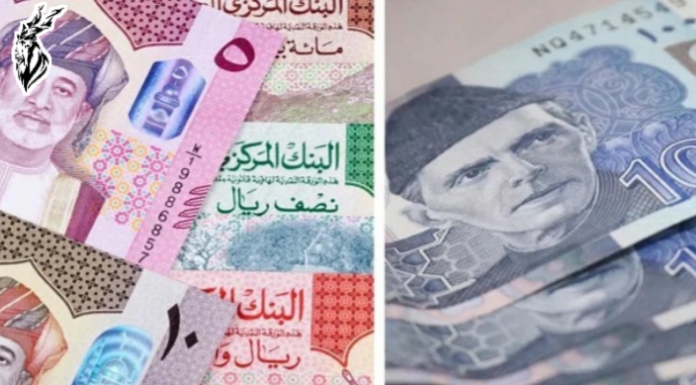
The Omani Riyal (OMR) remained relatively stable against the Pakistani Rupee (PKR) during the week ending May 23, 2026, with only minor fluctuations observed in Pakistan’s open market. As of May 23, the Omani Riyal was trading at Rs. 720.38 for buying and Rs. 731.25 for selling, unchanged from the previous session, reflecting a stable close to the trading week.

A day earlier, on May 22, the buying rate of the OMR stood at Rs. 720.38, while the selling rate was recorded at Rs. 731.25 in the open market. On May 21 and May 20, the currency maintained a steady trend, with the buying rate recorded at Rs. 722.00 and the selling rate at Rs. 733.25 on both days, indicating limited movement in the foreign exchange market. Earlier in the week, on May 19, the OMR traded at Rs. 722.00 for buying and Rs. 732.25 for selling, showing slight stability compared to previous sessions. The week began on May 18 with the Omani Riyal trading at Rs. 722.05 for buying and Rs. 732.85 for selling in Pakistan’s open market.

Overall, the weekly comparison showed marginal fluctuations in the OMR-PKR exchange rate, with the currency remaining within a narrow trading range throughout the week. Currency analysts attributed the stable trend to balanced demand for Gulf currencies, remittance inflows, and controlled activity in the local exchange market.

The Omani Riyal remains an important foreign currency in Pakistan due to strong remittance flows and employment ties with Oman, where a large number of Pakistani expatriates are employed. According to the State Bank of Pakistan, remittances from Gulf countries constitute a significant portion of Pakistan’s foreign exchange reserves, helping stabilize the local currency. Analysts expect the OMR to remain steady in the near term, barring any major economic shifts.

Source: ARY News

Field Marshal Asim Munir, Iranian Foreign Minister Discuss Diplomatic Efforts to De-escalate US-Iran Tensions

Field Marshal Asim Munir and Iranian Foreign Minister Abbas Araghchi held a meeting in Tehran on Friday to discuss ongoing diplomatic efforts aimed at preventing further escalation in the region and promoting peace and stability in West Asia, according to Iranian state media.

The Iranian government, in a post on X, said the meeting focused on the latest diplomatic initiatives to de-escalate tensions linked to the ongoing US-Israel-Iran conflict. The discussions reportedly continued late into the night.

Field Marshal Asim Munir arrived in Tehran as part of broader diplomatic engagement efforts, the Inter-Services Public Relations (ISPR) said.

According to official sources, the field marshal was received by Iranian Interior Minister Eskandar Momeni and Pakistan’s Interior Minister Mohsin Naqvi, who was already in Tehran at the time.

During his visit, the Pakistani military chief also met Iranian President Masoud Pezeshkian and Parliament Speaker Mohammad Bagher Ghalibaf to discuss regional developments and bilateral cooperation.

The visit comes amid ongoing Pakistani diplomatic efforts to facilitate dialogue between the United States and Iran following earlier mediation attempts. A first round of direct talks between Washington and Tehran had taken place in April, following earlier ceasefire-related diplomatic contacts, but no final agreement was reached.

Iranian Foreign Minister Araghchi told UN Secretary-General António Guterres that Tehran remained engaged in diplomatic channels despite what he described as “contradictory positions and excessive demands” from the United States.

Meanwhile, US President Donald Trump has described the negotiations as being at a critical stage, warning that the situation could either move toward renewed confrontation or a potential agreement.

US officials, including Secretary of State Marco Rubio, have indicated limited progress in talks while stressing that all options remain on the table if diplomacy fails.

Concerns have also been raised over the strategic Strait of Hormuz, with Iranian officials indicating that its status and related maritime tensions are part of ongoing discussions, given its importance to global oil shipments and energy security.